

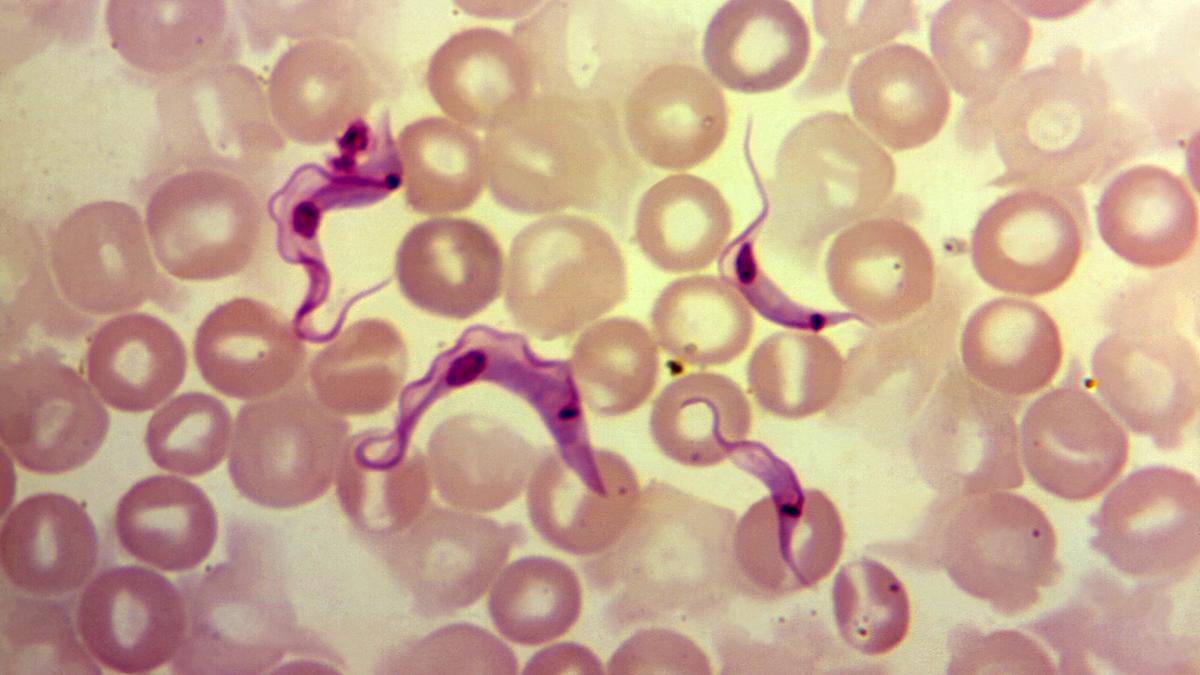

A potentially fatal illness known as the ‘kissing bug’ disease or Chagas disease, which has affected more than seven million people worldwide — mostly in Latin America — may now be endemic to the United States, according to new research published in a Centers for Disease Control and Prevention (CDC) journal.
The study, published in September 2025, states that though Chagas disease — caused by a parasite called Trypanosoma cruzi, predominantly transmitted through ‘kissing bugs’ or triatomine insects — is generally considered endemic to 21 countries in the Americas, excluding the U.S., increasing evidence of the parasite in the U.S. suggests this may no longer be the case.
When a disease is endemic to a region, it means that it is consistently present in that region’s population.
Chagas disease has both acute and chronic phases, with the latter potentially being fatal. It causes approximately 10,000 deaths each year, according to the World Health Organization (WHO).
But what exactly is Chagas disease? How does it spread? Can it be cured? Here’s all you need to know.
Chagas disease spread
Chagas disease, also known as American trypanosomiasis, is commonly spread through vector, oral, and congenital routes.
A person in endemic regions typically contracts Chagas disease when the Trypanosoma cruzi parasite is transmitted through the urine or faeces of triatomine bugs. These insects, commonly known as ‘kissing bugs’ or ‘vampire bugs’, bite people on the face and feed on their blood. They are usually found in small spaces, such as cracks in walls, or roofs of homes, chicken coops, warehouses, and similar structures, and are mostly active during the night. After biting an exposed area, often the face, they defecate or urinate near the wound, allowing the parasite to enter the body.
Trypanosoma cruzi can also spread through other means: by consuming food or beverages contaminated with the parasite (oral) or from mother to child during pregnancy or childbirth (congenital). Though rare, it can also be transmitted through blood transfusions or via organ transplants. The disease can infect animals too, especially captive and companion animals.
The illness came to be known as Chagas disease as it was first diagnosed in a human being by Brazilian physician and researcher Carlos Chagas on April 14, 1909.
What are the symptoms?
In the acute phase, which lasts a couple of months or so after a person is infected, symptoms are absent or mild. They may include fever, headache, enlarged lymph glands, muscle ache, breathing difficulties, swelling of eyelids, and abdominal or chest pain.
The parasite primarily affects the heart and digestive muscles in the chronic phase and hence, early detection and treatment are vital. About 10 to 30 years after infection, individuals may develop cardiac or digestive disorders, as well as neurological complications. Over time, damage to the nervous system and the muscles of the heart and digestive tract can lead to cardiac arrhythmias, progressive heart failure, and even sudden death, according to the WHO.
Is there a cure?
Medications such as benznidazole and nifurtimox are completely effective in the early stages of the disease; however, their efficacy decreases as the disease progresses. There is also no vaccine against Chagas disease. Delaying the disease progression by getting treatment on time is, therefore, imperative.
An infection such as this cannot be fully eradicated, says WHO, due to the continued presence of both the triatomine insects and the parasite in endemic regions. However, controlling the spread of the disease, ensuring early detection, and providing life-long follow-up care may help prevent deaths. Reducing human contact with the insects, along with blood screening before transfusions and organ transplantation are also essential measures.
Researchers say the classification of Chagas disease as endemic to the U.S. may improve surveillance and encourage adequate public health responses.
Published – September 13, 2025 06:58 pm IST


