

NEWYou can now listen to Fox News articles!
As home prices climb and inventory thins, a major culprit is hiding in plain sight: the U.S. simply doesn’t have enough skilled labor force to build the homes buyers want and need.
Experts say this labor shortage is now constraining the entire housing pipeline. Projects are taking longer to complete, construction costs continue to rise, and first-time home buyers are being squeezed out of an already competitive market.
THE PRICE OF BUILDING A HOME KEEPS CLIMBING — AND UNCERTAINTY ISN’T HELPING
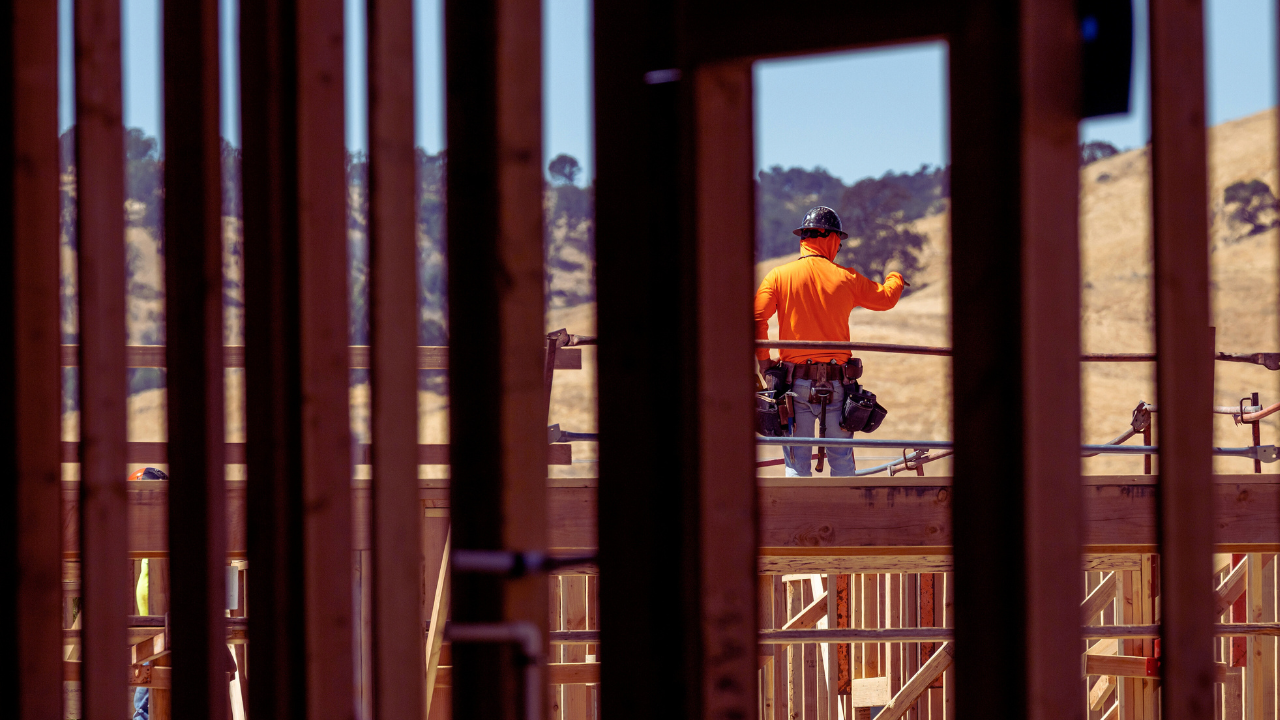
Every month, the construction industry is short around 350,000 workers.
What’s more, the National Association of Home Builders estimates the industry will need to hire nearly 723,000 workers per year just to keep pace with demand and close a nationwide housing gap of 1.5 million homes.
Home Builders Institute President and CEO Ed Brady told Fox News Digital the skilled labor shortage in the U.S. is “severe” and driven largely by “an aging workforce, fewer young entrants into the trades and decades of underinvestment in vocational training.”
“This shortage adds nearly two extra months to building timelines, inflating costs and delaying delivery,” Brady said.
A joint study by the Home Builders Institute and the University of Denver found that in 2024 alone, the labor shortfall resulted in 19,000 fewer homes built and an annual economic hit of $10.8 billion from higher carrying costs and lost production.
THE TOP 3 REASONS HOUSING HAS BECOME SO UNAFFORDABLE IN THE US MARKET
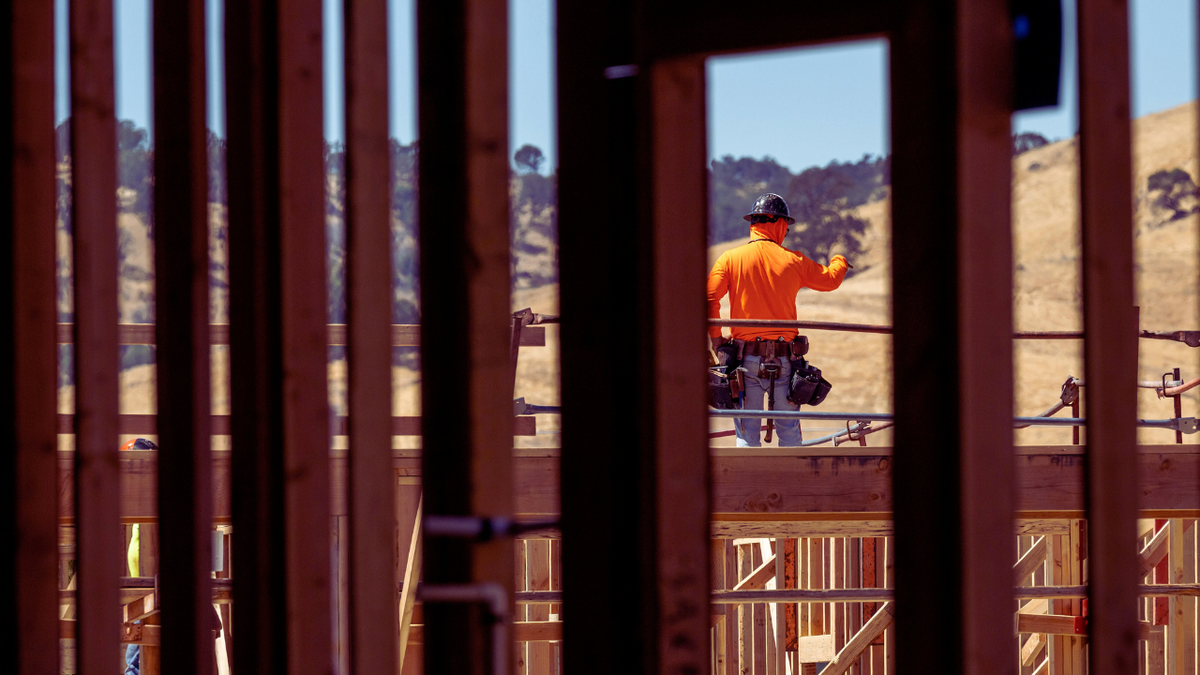
The construction industry is missing roughly 350,000 workers every month. (David Paul Morris/Bloomberg/Getty Images)
Joseph Kane, a fellow at Brookings Metro, said the shortage of skilled workers extends far beyond home building.
“Workforce development is not just a nice-to-do, but a must-do across the built environment. For housing, buildings, and other infrastructure systems (e.g. roads, water systems, etc.), it is crucial and mission-critical for employers to have a durable and dependable pipeline of talent,” Kane said.
“Without this pipeline, employers are competing against each other for scarce talent, projects can run into delays, and additional uncertainties and costs may mount over time,” added Kane, who studies the intersection between infrastructure and economic development.
The revelation comes as the U.S. grapples with a slew of housing challenges that, brick by brick and regulation by regulation, have helped contribute to today’s crisis.
TRUMP’S 50-YEAR MORTGAGE MAY BURDEN AMERICANS WITH MORE DEBT, EXPERTS SAY
Experts point to three major forces doing the most damage: restrictive zoning, land-use barriers and financial policies that have choked supply and pushed prices out of reach.
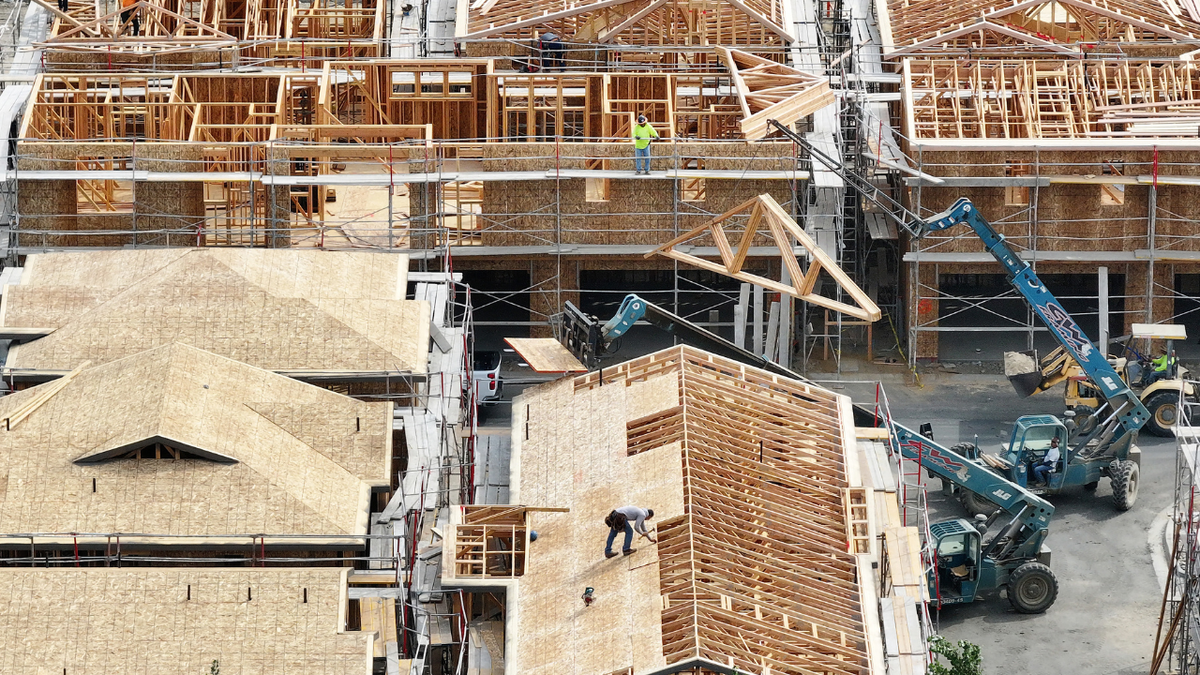
The labor squeeze is growing more severe as building materials get pricier and the broader economy faces new pressures. (Mario Tama/Getty Images)
Jim Tobin, president and CEO of the National Association of Home Builders, said the cost of regulations alone plays a massive role in housing affordability.
“Regulatory burdens really do add up on the unaffordability index,” Tobin told Fox News Digital.
“We estimate that 24% of the cost of a single-family home is embedded in regulations at all three levels of local, state and federal government. That comes out to roughly $94,000 in regulatory costs.”
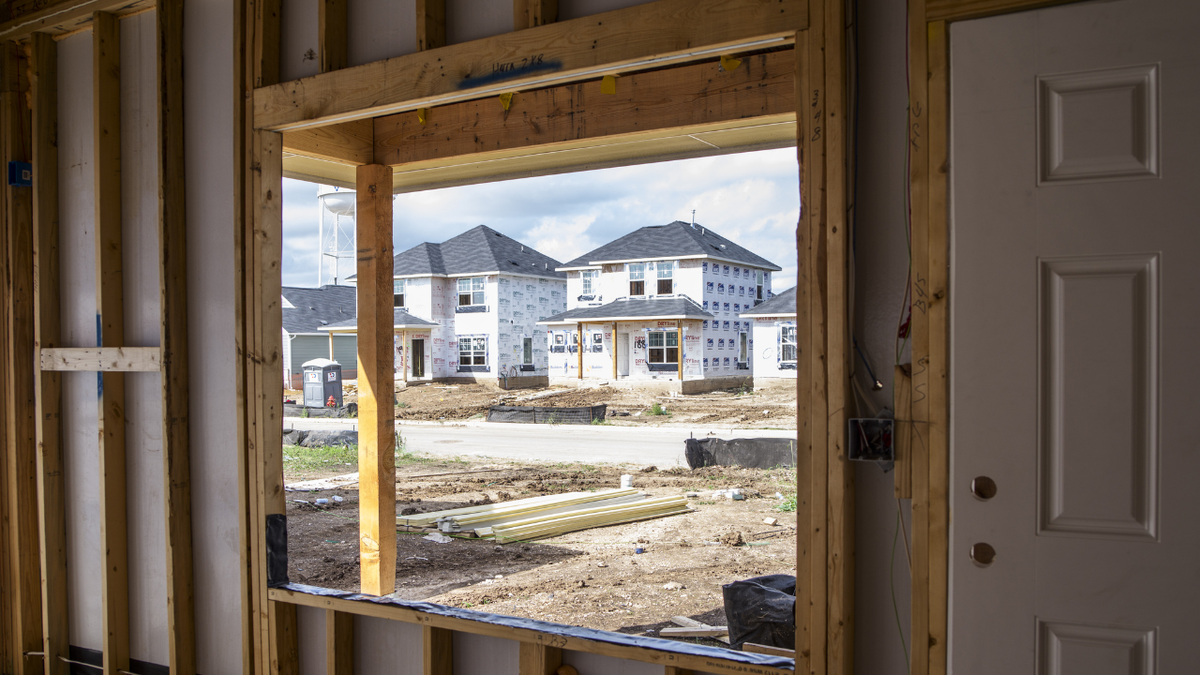
Experts say rules and red tape are choking supply and driving up home prices across America. (Matthew Busch/Bloomberg/Getty Images)
Experts say the quickest path to easing the housing crunch is lowering interest rates and peeling back regulations that have stifled new construction. But without enough workers, they warn, even a more favorable policy environment won’t translate into the surge of new supply the market needs.
“Looking ahead, even as interest rates ease, labor constraints will remain a key bottleneck, meaning slower housing starts, elevated prices and continued affordability challenges in 2026 unless workforce development and skilled trades training accelerates,” Brady added.
GET FOX BUSINESS ON THE GO BY CLICKING HERE
Kane said the labor crunch is intensifying alongside rising material costs and broader economic headwinds.
“Having enough skilled workers is one of many considerations facing home builders and other developers in the coming year. The lack of certainty on this front is only adding to the uncertainties in the country’s built environment, which can result in project delays, slower growth in new housing stock and downstream impacts on household affordability,” Kane said.


