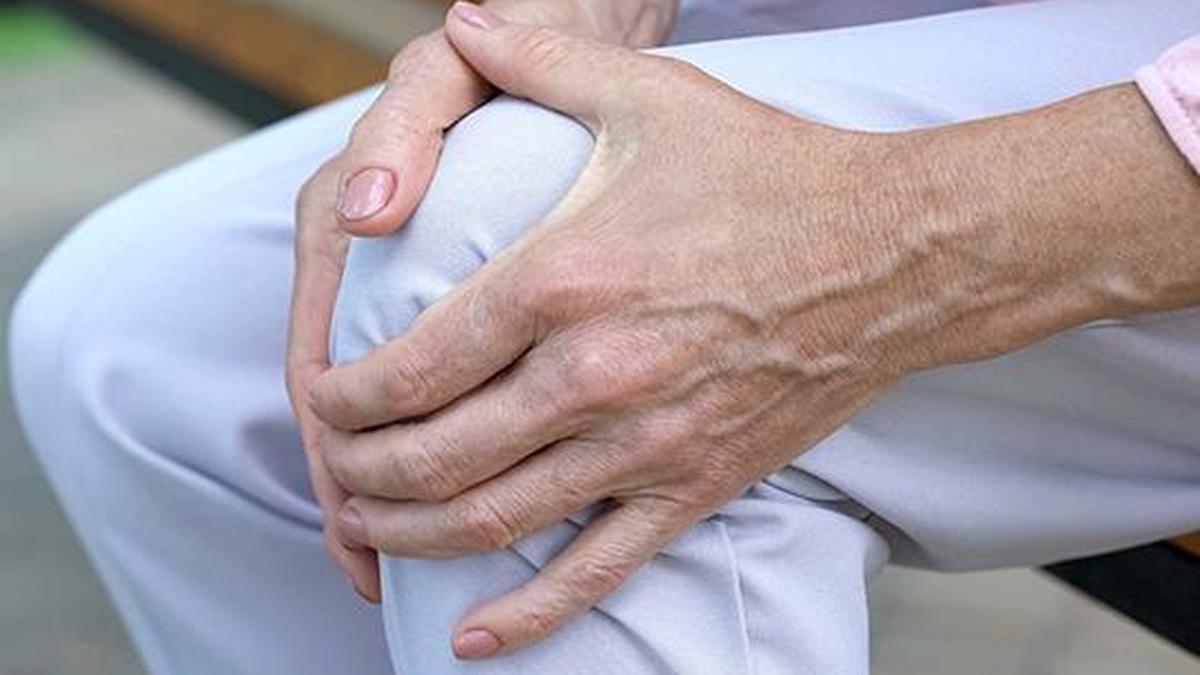


As temperatures have dipped, and parts of India are experiencing a cold wave, people with arthritis may begin to feel an escalation in joint pain, stiffness and discomfort. In fact, most people say that in winter months, their arthritis symptoms get worse, restricting their daily movements.
The prevalence of arthritis worldwide is considered high, as the burden is in excess of 300 million people who have some form of the condition, with osteoarthritis and rheumatoid arthritis being the most common types. A 2025 joint survey by the World Health Organization and the Community Oriented Programme for Control of Rheumatic Diseases (COPCORD) estimated that over 195 million Indians suffer from arthritis-related pains — combining osteoarthritis (OA), rheumatoid arthritis (RA) and other joint disorders.
Understanding arthritis
Arthritis is a condition where one or more joints become inflamed or damaged, causing pain, stiffness, swelling, and limited movement. Arthritis often worsens as people get older, although it can begin at any age. The most common joints affected include the knees, hips, hands, wrists, shoulders, feet, ankles, and lower back.
More than 100 different kinds of arthritis exist, but the most common are: osteoarthritis – gradual wear and tear of joints; rheumatoid arthritis – an autoimmune disease; gout – due to deposition of uric acid crystals; ankylosing spondylitis – affects the joints of the lower spine; psoriatic arthritis – associated with psoriasis; juvenile arthritis – this occurs in children and teenagers and Knee arthritis – debilitating and relatively common.
Arthritis has no permanent cure, but most of its symptoms can be managed with a few lifestyle modifications, medicines as prescribed, and self-care strategies.

Arthritis pain in winter
While cold weather itself is not a cause of arthritis, low temperatures can aggravate arthritis symptoms for a number of reasons. Cold weather can constrict your blood vessels, causing poor circulation, thus making the tissues of the joints stiff and painful. Low temperatures may also make your joints more sensitive to pain, which can make them feel tender. During winter, people tend to be less active and this can contribute to joints stiffening and the muscles around the joints weakening. Cold weather also increases muscle tension, and soft tissues in the joints swell, causing discomfort. This, in turn, puts additional stress on the already painful joints. Additionally, levels of vitamin D in the body decrease due to fewer hours of sunlight. Vitamin D is an essential nutrient for the health of the bones, and its deficiency can increase discomfort associated with arthritis.
Managing pain
When pain is constant, the way to enjoy an active life despite arthritis, is to have simple, consistent strategies to manage symptoms that help you stay comfortable during winter.
First, pay attention to a joint-friendly diet. What you eat can make a significant difference to inflammation and bone health. Addition of foods rich in omega-3s, such as salmon, tuna, flaxseeds, and walnuts, antioxidant-packed fruits and leafy vegetables, wholegrains, and lean proteins will pay dividends. It is also best to limit highly processed, sugary, and fried foods that might cause inflammation. Do not forget to drink sufficient water as this keeps joints well lubricated.
Staying active is also important. Incorporate some movement into your routine on a daily basis to keep joints supple and muscles strong. Winter-friendly exercises include yoga, stretching, indoor walking, stationary cycling, and low-impact aerobics. About 150 minutes of moderate exercise per week, along with two strength-training sessions are recommended. People with severe arthritis should consult with a physiotherapist before beginning any new fitness regime.
Keeping joints warm can also make a difference to mobility, as heat relaxes tight muscles and eases stiffness. Dress in layers, wear gloves, knee sleeves, and thermal socks. If needed, take warm showers or baths; and use heating pads carefully.
It is also important to maintain weight within the normal range. Even modest weight gain can add stress to weight-bearing joints, including the knees and hips, which in turn can accelerate their wear and tear.
In addition, practising mindfulness can help fight psychological stress from chronic pain.
Medications that are prescribed during winter may include anti-inflammatory drugs, pain relievers or vitamin D and calcium supplements if you experience a lot of much pain. Physiotherapy may be recommended. Some other therapies to help improve mobility and reduce stiffness during the colder months include heat therapy, oil massages, joint mobilisation exercises and guided stretching. Consult your doctor before peak winter sets in so you can work out a suitable long-term plan to manage your arthritis in the cold months.

Keeping symptoms in check
Winter can be a real challenge for people with arthritis, but it needn’t make everyday life a struggle. By staying active, keeping joints warm, eating an arthritis-friendly diet, and hydrating well, you should be able to keep symptoms under check and stay mobile throughout the season. Consistent, small lifestyle changes can go a long way towards helping you stay comfortable and active, no matter how cold it gets.
(Dr. Umesha C., is a consultant in orthopaedics, Narayana Multispeciality Hospital, Mysore. umesha.c.dr@narayanahealth.org)
Published – January 13, 2026 08:17 pm IST

