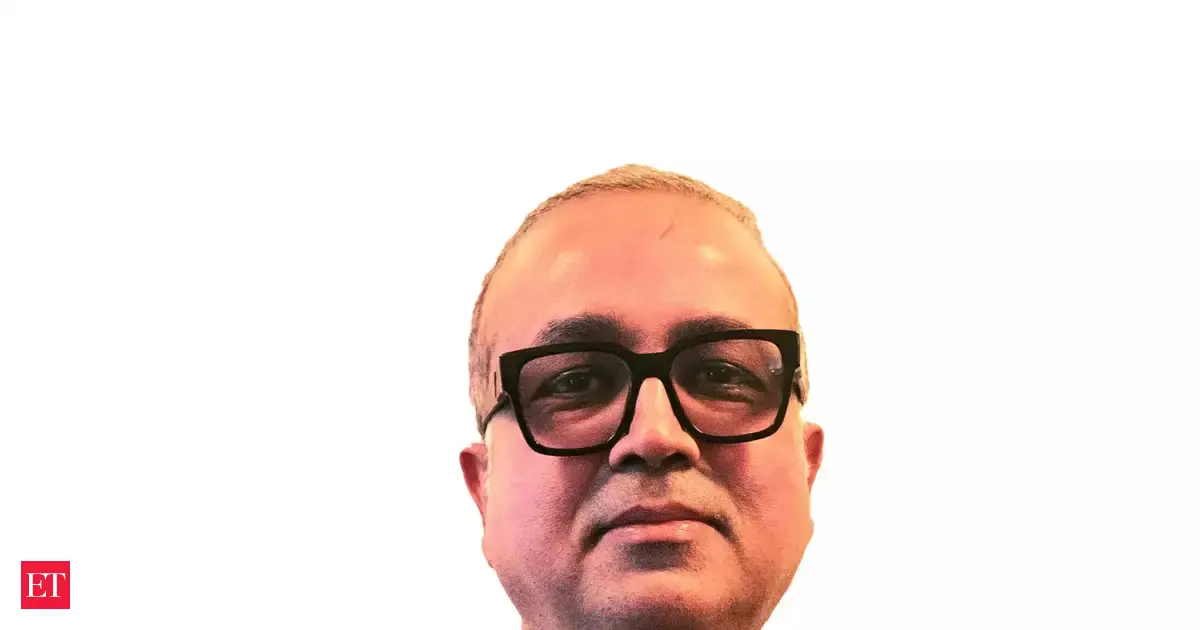

Speaking during a panel discussion on new age financing-mobilising capital for infrastructure creation and sustainable regional growth at ET House in Davos, Jharkhand’s finance secretary Prashant Kumar said his state has started looking for new-age financing with blended finance and public-private partnerships to fund capital infrastructure.
Central and state governments have traditionally been funding infrastructure projects through budgetary grants or bank lending.
Jharkhand is now selecting projects which may attract the appetite of the private sector, Kumar said, noting that fiscal space is limited while the state needs a lot of development.
“We are bringing in the right policy frameworks, and regulatory mechanisms,” he said, adding steps are being taken to facilitate land transfers that are a challenge for all such large projects.

Addressing the panel, Mohammad Athar, partner and leader at Capital Projects and Infrastructure Development at PwC India, noted the private sector is willing to invest subject to certain conditions. “Private sector capital spends and infrastructure creation have happened in places with demand and policy assurance,” he said.
According to Athar, a land policy framework is an important element for ensuring private capital expenditure. He said the state could offer land parcels at annual fixed rental models to encourage investments.Saurabh Tripathi, global leader, financial institutions practice, at BCG, said a stable regime is crucial, adding he cannot “ever overemphasise its importance.”
Infrastructure always has a lot of policy risk associated with it, he noted, adding certainties around land acquisition, taxation, and government policies over the planning horizon investors can bring the money.
“The primary thing is to create a stable environment so that the flood of foreign money can come in,” Tripathi said.
Foreign private capital will require a way to de-risk in an emerging market situation, he said. “They would like to take some risk on the returns but some of the existential risks that come in infrastructure projects can completely scare off the investors,” he said.
Kumar said Jharkhand now frames contracts where certain upfront risks are with the state government. “Operational risk is borne by the private sector,” he said, giving the example of the solar energy sector in the state where land and water is given for free. “We also give you a 25-year guarantee of purchase. So, once you have that kind of risk covered, things are falling in place,” he said.
Kumar said Jharkhand is working actively to attract investments in healthcare among other sectors.
A new policy on industrial parks is almost ready and will be out in the next two to three months. The state finance secretary also noted that investments in transportation and logistics hubs are also coming.
According to Tripathi, these frameworks need to be backed by outreach. “We would like the states to be out there with a very proactive marketing approach,” he said, adding they must proactively seek investors who are right for them.
“Once we create the right environment, that doesn’t mean that people will come. We need to go out and market,” Tripathi said.
“It’s very important to go out and market and let the right type of investors know that you are here, you are available for business.”