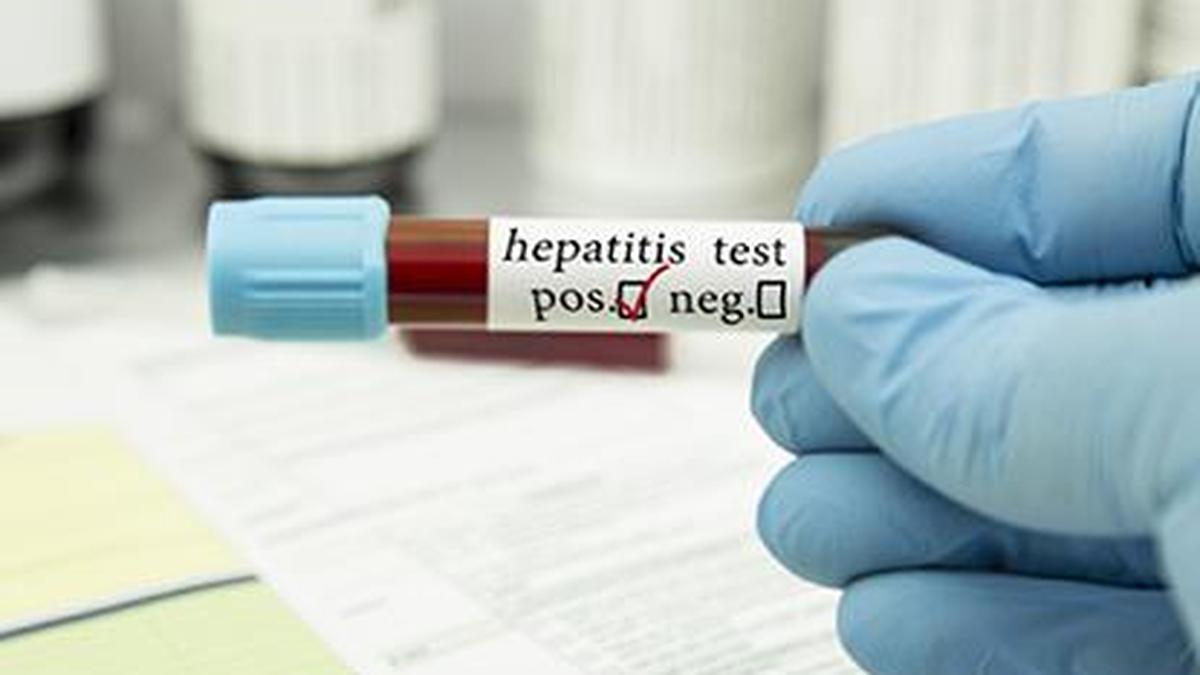
Hepatitis B is a liver disease caused by the hepatitis B virus. It primarily spreads through blood, semen, or certain other body fluids |Image used for representational purpose only
| Photo Credit: Getty Images/iStockphoto
An independent review released on Tuesday by vaccine experts of more than 400 studies and reports found that long-standing U.S. policy of giving the hepatitis B vaccine to newborns has cut infections in children by more than 95%.
The policy, adopted in 1991, will be discussed and voted on later this week by Centers for Disease Control and Prevention vaccine advisers hand-picked by U.S. health secretary and anti-vaccine activist Robert F. Kennedy Jr.
“After extensive review, we did not discover safety or effectiveness data that support delaying the choice parents have to vaccinate their newborns against hepatitis B,” said Michael Osterholm, an infectious-disease expert at the University of Minnesota who helped found the Vaccine Integrity Project that released the review.
The Vaccine Integrity Project is an initiative dedicated to safeguarding vaccine use in the United States set up to counter controversial vaccine information and recommendations from the Trump administration that are lacking or contrary to scientific evidence.
The revamped CDC advisory panel, following Kennedy’s firing of all 17 previous expert members, in September decided to postpone a vote to delay the birth dose of the hepatitis B vaccine.’ Since then, U.S. President Donald Trump and other health officials have called for delaying the first dose of hepatitis B vaccine until as late as age 12, saying that the virus is largely sexually transmitted.
Osterholm said the evidence clearly supports keeping the current U.S. policy.
Hepatitis B is a liver disease caused by the hepatitis B virus. It primarily spreads through blood, semen, or certain other body fluids.
Infants infected with hepatitis B during their first year of life have a 90% chance of developing a chronic infection, increasing the risk of serious liver disease such as cirrhosis or cancer.
In a 2024 study reviewed by the Vaccine Integrity Project, the CDC had analysed data on children born between 1994 and 2023 and found that offering the vaccine to newborns prevented more than 6 million hepatitis B infections and nearly 1 million hepatitis B-related hospitalisations.
Delaying the vaccine would increase the chances that newborns will be infected by an infected parent or caregiver, said Tony Fiore, a former CDC vaccine expert who said he believes the panel intends to change the policy.
Published – December 03, 2025 03:50 pm IST