



(In the weekly Health Matters newsletter, Athira Elssa Johnson writes about getting to good health, and staying there. You can subscribe here to get the newsletter in your inbox.)
This week, as we move toward the end of 2025, we begin with a disease India knows too well . Rabies keeps returning to the headlines not because it is difficult to prevent, but because prevention keeps failing the people who need it most.
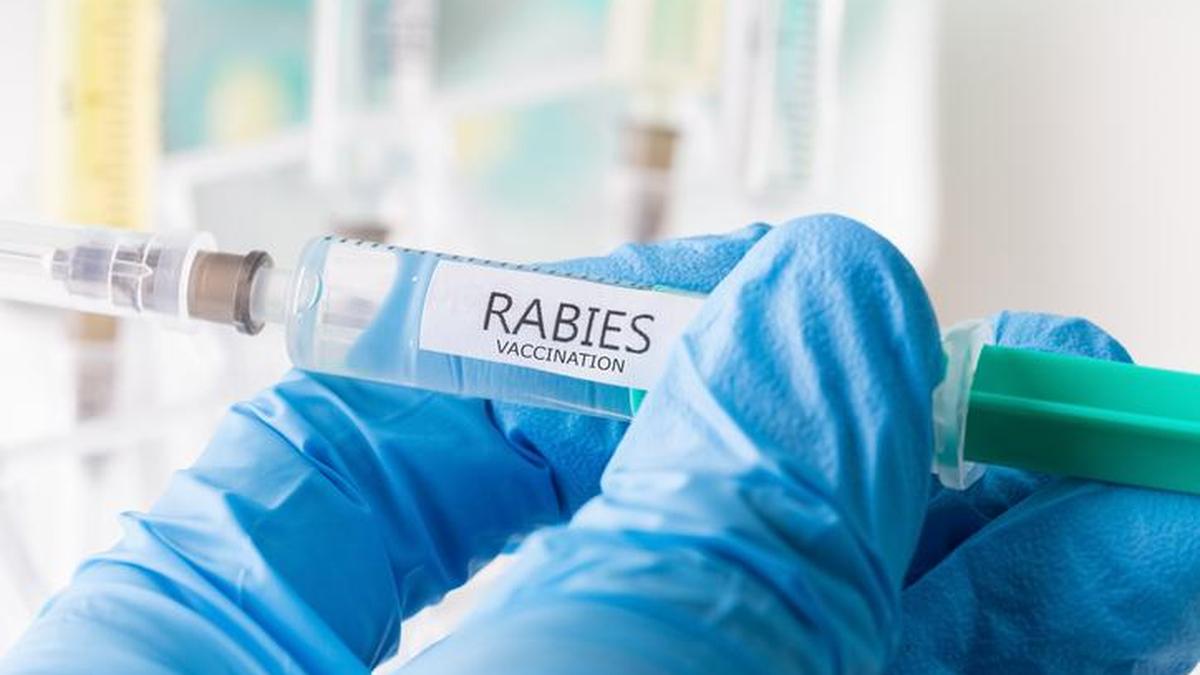
A recent international health alert flagged concerns overcounterfeit batches of the anti-rabies vaccine Abhayrab, warning that some people vaccinated after November 1, 2023, may not be fully protected. In response, as reported by Bindu Shajan Perappadan— Indian Immunologicals Limited said the issue was traced to a single counterfeit batch identified in January 2025, that such stocks are no longer in circulation, and that all authorised supplies continue to be tested and released by the Central Drugs Laboratory.
For marginalised populations, rabies is a preventable yet persistently fatal disease. It remains one of the cruellest and most expensive diseases borne by India’s poorest. Divya Gandhi and Afshan Yasmeenreport on how a single dog bite can still spiral into a fatal outcome — not because medicine does not exist, but because access does not.
That gap, between what we know can be prevented and what we continue to allow, runs through much of this week’s health coverage. A World Health Organization assessment has found that less than 5% of disease-focused genomic studies are conducted in low- and middle-income countries, despite these regions carrying the highest disease burden. The implications are from diagnostics that don’t fully apply to local populations, to treatments that may be less effective where they are most needed.
The problem extends to drug development as well. Alok Bhattacharya, Dr. Rakesh Mishra and Gayatri Saberwal examine why Indian pharmaceutical companies struggle to make drugs for rare diseases. High costs, limited incentives, small patient populations and regulatory hurdles mean that innovation often stalls — leaving families navigating rare diagnoses with few or no treatment options.
And yet, scientific progress continues, even if unevenly. In the U.S., the FDA approved a pill form of Wegovy for weight loss, signalling how treatment for metabolic disease is evolving, even as questions of access and affordability persist.
Closer home, prevention and lifestyle interventions continue to show promise. An ICMR study found that physical activity is linked to lower breast cancer risk, while another study showed that normalising blood glucose through lifestyle changes could halve heart disease risk in people with prediabetes. These findings come amid projections that nearly 900 million people globally could be living with diabetes by 2050, underscoring the urgency of early intervention.
Health, of course, does not exist in isolation from environment– starting with air pollution –that once again loomed large, particularly in Delhi-NCR, where AQI levels crossed hazardous thresholds at multiple stations. There were reports of bird flu outbreaks in Kerala, with containment measures underway. Shrabana Chatterjee reports on how rising heat and humidity are driving an increase in vaginal yeast infections in India, while another report warns of the spread of invasive mosquito species thriving in urban environments, threatening India’s 2030 malaria elimination goal, even though another report highlighted that India reported a drop in malaria cases.
Strain within health systems also made headlines. From doctor–patient clashes and indefinite strikes in Himachal Pradesh, to shortages of drug inspectors in Telangana, protests by nurses in Tamil Nadu, and concerns over hospital infrastructure and maintenance, the stories point to a system stretched thin. Kannuru Sujatha Rao argues that healthcare does not need the PPP route, while K. Ganapathy examines how India can protect health data as technology becomes increasingly central to care delivery.
Science delivered both insight and warning this week — from findings that just five DNA letters can alter chromatin from fluid to solid-like states, to evidence of high-flying mosquitoes spreading pathogens across regions, and explorations into how astronauts are being protected from deadly space debris
We also carrried region and sector focused year-ender by Siddharth Kumar Singh that look at the Telangana health sector in 2025 traced a year of reform efforts marked by uneven execution — where policy movement was visible, but delays, disruptions and implementation gaps continued to test the system.
As a year-end tailpiece, we turn to this week’s Health Wrap year-ender special — taking stock of the major health developments, studies and systemic failures that shaped the year’s health news, and the questions that remain unresolved as we move into the next.
For explainers this week, we have:
Meenakshy S. writes on hyperandrogenism
Geetha Srimathi explains Alice in Wonderland Syndrome
Zubeda Hamid explains flat feet
Dr. Latha V.Why Indian women’s ovaries age faster compared to Caucasian women
I write on what doctors say about the parasite cleanse craze , Why women need specific nutrition as they age , Why even low alcohol intake raises oral cancer risk in Indian men and All you need to know about : Cleidocranial Dysplasia (CCD)
And on the rising cases of extreme phobias and why early help matters
Here is a quiz on and how to identify ultra-processed foods.
For many more health stories, head to our health page and subscribe to the health newsletter here.
Published – December 30, 2025 04:42 pm IST


