
(In the weekly Health Matters newsletter, Ramya Kannan writes about getting to good health, and staying there. You can subscribe here to get the newsletter in your inbox.)
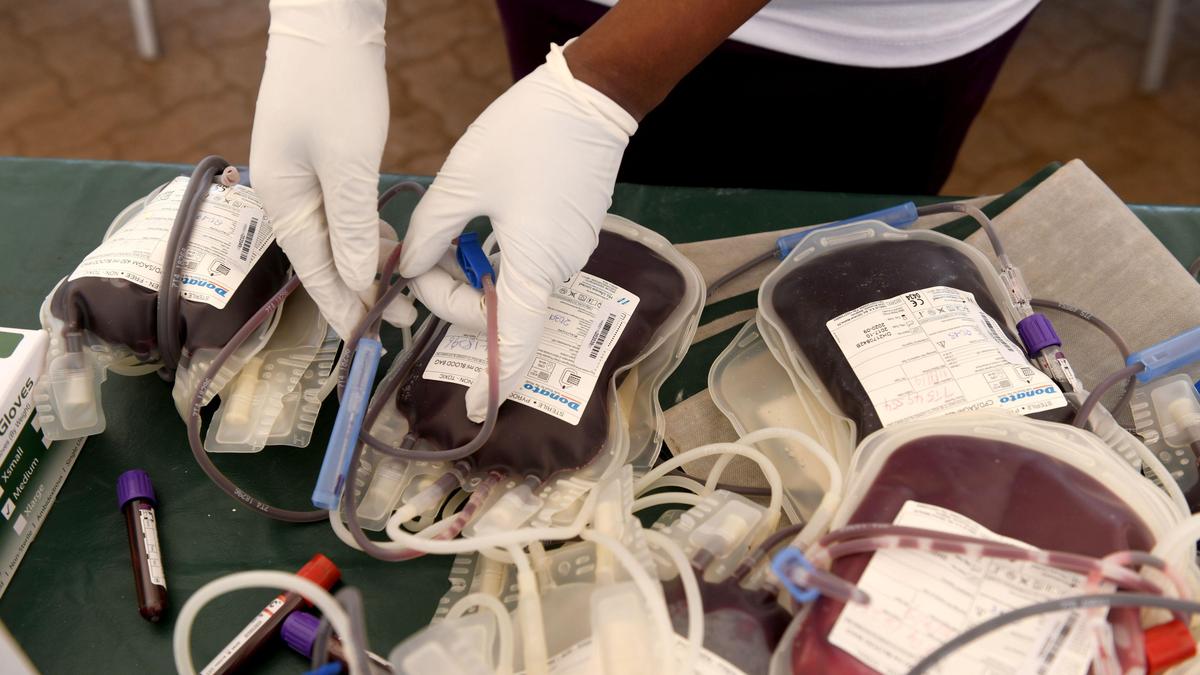
We are going to get the bad news out of the way first. Once again in Madhya Pradesh, fresh from the deaths of children who consumed contaminated cough syrup, an unforgivable medical crime was committed again. Six children, via contaminated blood transfusions, contracted HIV at a Satna district hospital in Madhya Pradesh. Quick investigations were launched, reports Mehul Malpani, and a doctor and two lab technicians have been suspended, after negligence was proved. A show-cause notice was issued to another doctor.
The six children had reportedly received blood transfusions at the Satna district hospital, while some of them had also been given blood at private centres, including in Jabalpur. All children are currently receiving treatment at the district hospital. Aged between three and 15 years, the children are suffering from thalassaemia had tested positive for the virus between January and May, 2025, according to officials. However, the matter only came to light on December 16. Health officials are reviewing blood bank operations State wide, ordering audits and emphasising strict adherence to safety guidelines. The focus is on preventing future errors and ensuring proper blood testing and collection procedures.
One other thing also shook the nation last week. Environment Minister Kirti Vardhan Singh told the Rajya Sabha that there’s no conclusive data directly linking high AQI to lung diseases, though he conceded that air pollution is a trigger. While addressing concerns about lung damage in Delhi/NCR residents, he spoke of various factors influencing respiratory health and claimed government efforts were on to combat air pollution, despite criticism of their effectiveness.
Jacob Koshy provided much needed context. “There is a wealth of medical literature, including studies in India, that have linked air pollution levels to rising cases of asthma and chronic obstructive pulmonary disease. Epidemiologists have historically relied on ‘associative studies’ to check for correlations between substances and their health effects. the impact of air pollution is far more subtle, works over longer periods and cannot be established directly. A well-known study in India in 2011 compared the lung activity and respiratory disease profile of children in Delhi to counterparts in rural West Bengal and Uttaranchal (the latter with much cleaner air) to show that a much larger proportion of those in Delhi had noticeable respiratory problems.
Meanwhile, this is evidence too: A five-year study in Delhi reveals men inhale more polluted air than women due to higher breathing volume, especially while commuting. Men’s PM2.5 lung deposition is 1.4 times higher than women’s while sitting and 1.2 times higher while walking. Overall, Delhi residents’ lung deposition of fine particulate matter exceeds Indian standards tenfold and WHO guidelines fortyfold. Ashna Butani reports of the trend in Delhi today: Surge in patients with respiratory issues in past two days.
And that’s not all. Climate science is constantly delivering shocks: Geetha Srimathi has a very important article on How untreated effluent discharge into rivers leads to downstream One Health impacts. One study says Global food systems may push warming beyond 2 deg C even sans emissions, while another claims Heat, humidity due to climate change could increase stunting in South Asia’s children by 2050.
Talking of health and 2050, yet another projection, this time from the field of diabetes, also raised concerns. The World Diabetes Atlas, a project of the International Diabetes Federation, indicated 900 million people are likely to have diabetes in 2050, growing from about 500 million in 2024.
This makes the need to address the billowing Non Communicable diseases epidemic an urgency. However, all is not lost, we have figured out what we must do to prevent disease and to take precautions so it does not proceed to complications that impact on health and life. A recent Study finds normalising blood glucose with lifestyle could halve heart disease risk in prediabetics.
Here, Holly Noelle Schaafsma,Jess Haines,Kathryn Walton and Raphaëlle Jacob give tips for families to navigate eating, physical activity and sleep during the holiday season.
We, once again, turn the focus on disabilities and giving people their due, in the month that recognises the rights of persons with disabilities, from recognising them through civil registration and birth certificates, to creating accommodations at work places to enable them to work, and making spaces access-friendly for all. I write on Visibility and inclusion- advancing the case of children with disabilities, and Meghna M. speaks to experts to find out how reasonable accommodations at workplaces improve mental health for persons with disabilities .
In this piece, Dr. Christianez Ratna Kiruba examines why intimate partner violence is an under-recognised public health crisis in India. The burden of intimate partner violence is often invisible, even to the healthcare system. She delves into a groundbreaking Lancet analysis revealing its profound impact on women’s health, from PTSD and depression to chronic diseases, and speaks to experts to discover the systemic training gaps that leave doctors unprepared to recognise and address this pervasive issue. Afshan Yasmeen reports on a NIMHANS study that highlighted a link between psychological distress and problematic pornography use in India.
For this week’s tail piece, we are going with nuance. Our idea of handling pain is to make it go away, but US-based interventional pain management specialist Vasanth Kattalai Kailasam says, ‘managing pain’ is as important, because sometimes fixing the pain is beyond what medicine can do. Read the story, and watch the video embedded for fascinating insights into the growing discipline of pain management.
In our robust list of explainers this week, you will find:
Ever wondered about why your hair and skin are listless, sometimes unrelenting even to the best cosmetics money can buy? Dr. Logeshwari J. says hard water could be the cause and how you can prevent further damage.
Zubeda Hamid tells you All you need to know about: impacted wisdom teeth, while Meenakshy S. explains synesthesia.
Fond of that late night biryani or an ice cream before you hit the bed? May be you need to handle those cravings. Dr. Aditya Girish Borawake explains how late-night eating can damage your digestive system.
Athira Elssa Johnson writes on the reality of invisible illnesses and the challenges of Crohn’s disease care in India and also tackles the essential question of what your appendix actually does.
Shweta Yogi wonders: Could rewiring macrophage metabolism make TB treatments shorter?
If you have a few moments, also read:
Bindu Shajan Perappadan reports: PM Modi highlights global collaboration at WHO Traditional Medicine Summit and the Aayush Ministry’s claim that India moving gradually to integration of modern and traditional medicine systems
“Science Quiz: On travel health “
Himachal orders drug recall after 47 samples fail quality tests
In continuing horrors in Gaza, the WHO has said: Over 1,000 patients have died awaiting evacuation from Gaza since July 2024
Dr. Sabine Kapasi writes on Creating suicide-safe campuses
For many more health stories, head to our health page and subscribe to the health newsletter here.
Published – December 23, 2025 03:03 pm IST


