

(In the weekly Health Matters newsletter, Zubeda Hamid writes about toxic metals polluting the Cauvery, unsafe drinking water driving antimicrobial resistance and more. You can subscribe here to get the newsletter in your inbox.)
Last week, it was all about air: quality levels deteriorating and respiratory difficulties rising. And while fossil fuel-driven air pollution claimed 1.72 million lives in India in 2022 according to a report in The Lancet, this week, we’re moving on to water. How safe is our water and what is in it? Do all of us in the country have access to safe drinking water? Are our water sources as clean as they should be? The answer doesn’t seem to be very reassuring.
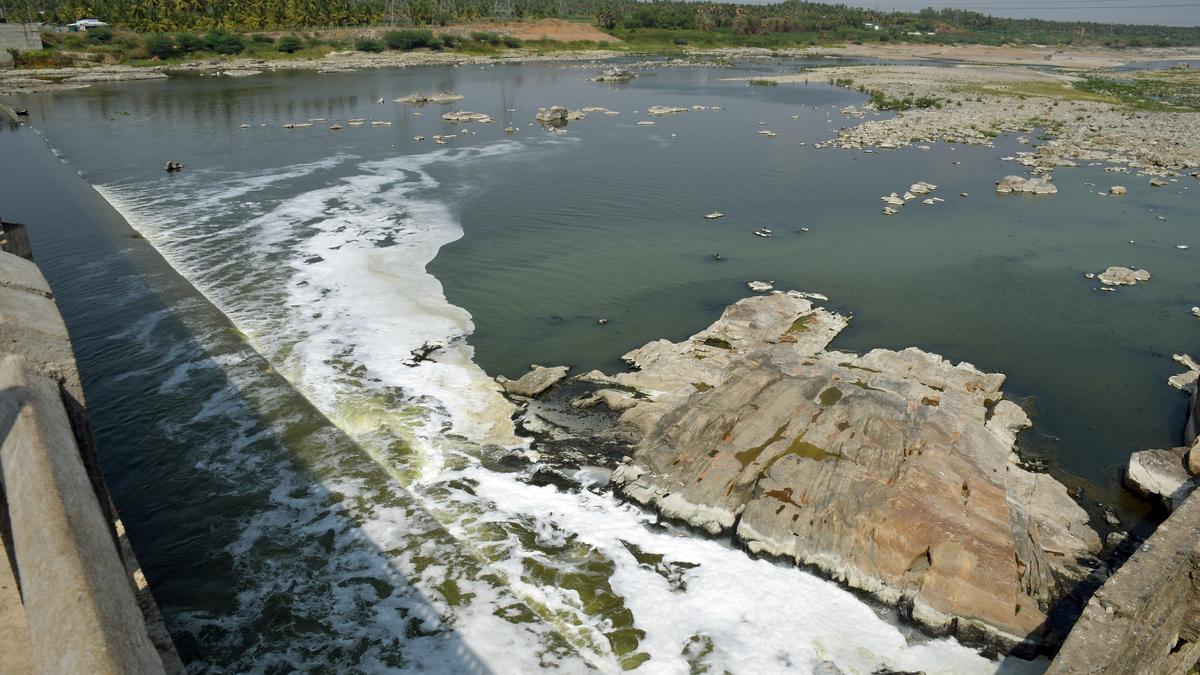
This week, T.V. Padma reported on a study by Tamil Nadu researchers that found heavy metals are polluting the Cauvery river and its fish. Notably, the researchers have cautioned against consuming “regular” or “excessive” amounts of fish from here — the detection of cadmium and lead as primary contaminants of concern, with levels exceeding threshold limits in some fish species, underscores the potential risks to both ecosystem health and human consumers, one of the researchers pointed out.
In other not-so-great news when it comes to water, and touching upon a subject we’ve dwelt on before, which is anti-microbial resistance (AMR), researchers from the University of Hyderabad have found that unsafe drinking water is a key ecological driver of anti-microbial resistance among three of South India’s most isolated tribal communities. AMR is now a global emergency and this study highlights once again the urgent need for safe environments to protect our health.
Speaking of unsafe water, Dr. Vasundhara Rangaswamy wrote a pertinent piece on the need for India to include the typhoid conjugate vaccine in its universal immunisation programme. India contributes to half the global burden of typhoid fever and yet, despite our neighbours Nepal, Pakistan and Bangladesh beginning vaccination programmes with vaccines manufactures in India, we are yet to do the same.
And rounding off our focus on water, Athira Elssa Johnson offers a practical guide on how to keep homes and bodies safe from water-borne illnesses. The (mostly) welcome northeast monsoon has hit parts of south India and while the cooler temperatures offer a respite from the heat, there is no doubt that infections are doing the rounds once again, highlighting the need for caution.
From water to food isn’t much of a leap, and when it comes to food, Dr. Vid Karmarkar and Jitentra Chouksey, in this interesting piece, tell us why nutritional poverty — the poor being deprived of nutrient-rich food because they cannot afford it and the rich, because they do not know what to eat — is a crisis staring India in the face. In other food news, D. Balasubramanian decodes a study that found a healthy plant-based diet might reduce the burden of multimorbidity of cancer and cardiometabolic diseases.
It was also the week when Zoho founder Sridhar Vembu courted controversy after he questioned whether children in India were getting too many vaccines, and shared a study linking vaccination and autism with his more than 3,91,000 followers on X. Sahana Venugopal reports that doctors slammed Mr. Vembu’s post. The rhetoric against vaccines may be getting shriller on social media platforms, but it is essential to remember that vaccines save lives and that there is currently no conclusive scientific evidence linking vaccines and autism — even the United States seems to have done a minor backtrack: U.S. Health Secretary Robert F. Kennedy Jr. has now said evidence does not show that Tylenol (paracetamol) definitively causes autism — US President Donald Trump had claimed that it does cause autism in September — but that it should still be used cautiously.
Here’s a quick round-up of stroke-related news this week, marking World Stroke Day that fell on October 29: Dr. Swaroop Gopaltells us how to spot the early signs of a stroke, another report on how stenting of the brain may be able to stop a stroke before it happens, and Dr. Vikram Huded stresses the urgent need to bring stroke rehabilitation into the mainstream.
In encouraging news for mental health, the National Medical Commission has asked medical colleges to participate in a survey being conducted by the Supreme Court-appointed National Task Force to address mental health concerns of students and to prevent suicides in higher educational institutions. Also, the apex court has transferred to the National Human Rights Commission, a petition that sought the proper functioning and monitoring of Central and State Mental health Authorities across the country. Afshan Yasmeen meanwhile, reported on a NIMHANS study that flagged privacy, quality gaps in mental health apps available for Indian users — an issue that is significant considering how many of us turn to online sources for mental health help.
For our tailpiece this week, we have Shrabana Chatterjee’s story on how much melatonin is too much — on the increasing, unregulated use of melatonin supplements as sleep aids, and why this is worrying doctors.
Our list of explainers this week is short but strong:
Dr. Abdul Ghafur on ethanol undergoing regulatory scrutiny in Europe and why this matters
Rahul Karmakar reports on a global study that flags a cardiovascular disease and mental health crisis for India
Anirban Mukhopadhyay writes on shorter, simpler breast cancer treatment that works for both patients and healthcare providers
Dr. Randeep Guleria on why vaccination is crucial for senior citizens
Swaminathan S. explains why, in the Stanford/Elsevier rank list, all that glitters is not gold
Two stories attempted to detail how heat impacts health: decreasing productivity, and worryingly, leading to kidney strain in workers
Siddharth Kumar Singh speaks to the paediatrician behind the battle to stop the misuse of the ORS label and the verdict the Delhi High Court has delivered
Julie Vignato from The Conversation on how back pain during pregnancy is often dismissed as a passing discomfort − a nurse explains why it should be taken seriously and treated
And finally, our all you need to know series explored spina bifida this week
For many more health stories, head to our health page and subscribe to the health newsletter here.
Published – November 04, 2025 03:20 pm IST