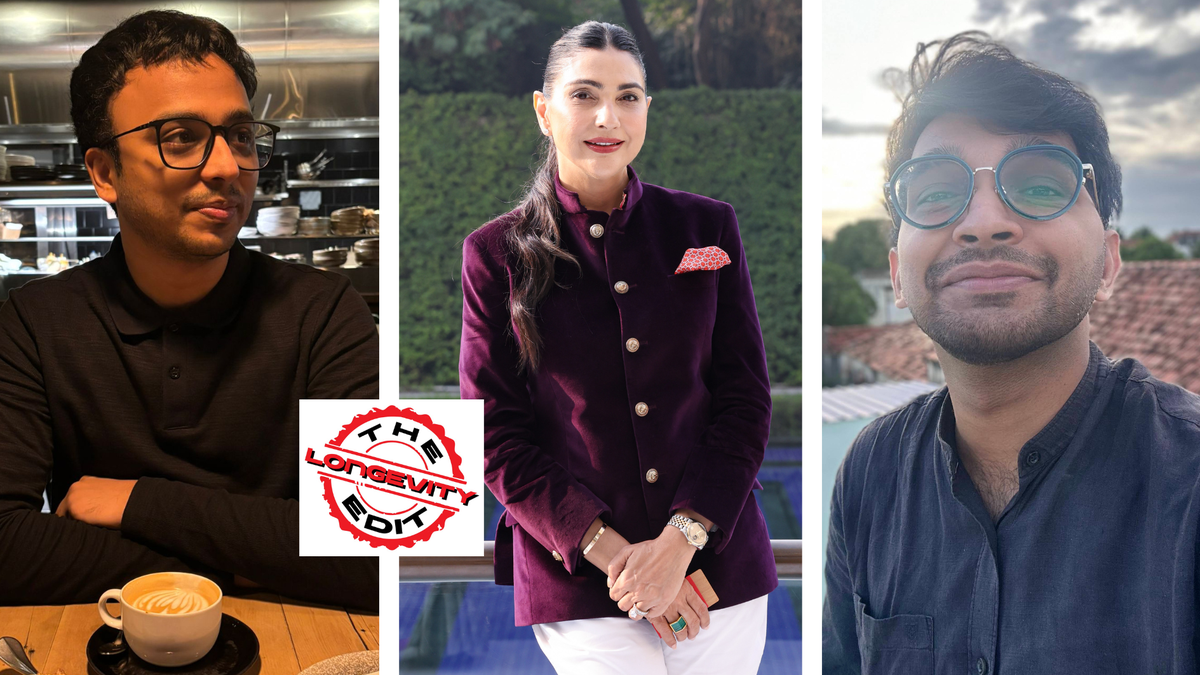


Karthic Rathinam is 26 and, by most traditional measures, healthy. The Chennai-based product designer has no chronic illnesses, no dramatic warning signs, nothing that would have sent an earlier generation rushing to a clinic. Yet he has undergone a battery of medical tests: blood markers, metabolic panels, sleep analysis. He tracks his body continuously through a ring on his finger and an app on his phone. Each morning, he checks the data — how long he slept, how much of it was deep, and whether his heart-rate variability suggests recovery or strain.
“The numbers do not merely describe my body; they shape my understanding of it. A good score brings reassurance. A bad one lingers through the day, even if nothing feels wrong,” says Rathinam, who is trying to slow a future he cannot yet see. The tests, the tracking, the constant feedback are less about today’s body than about tomorrow’s.
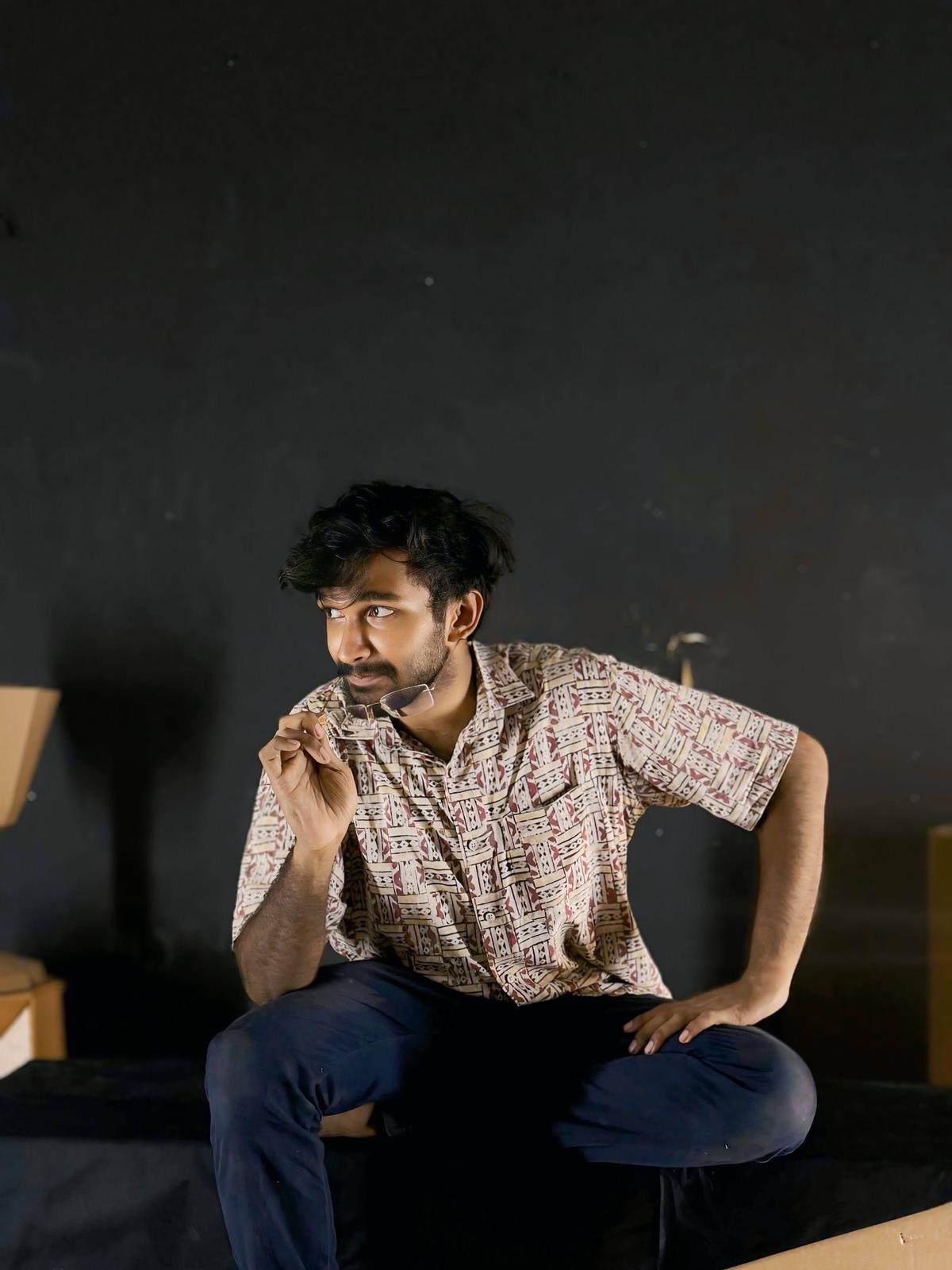
Karthic Rathinam tracks his body continuously through a ring on his finger and an app on his phone.
For this generation, longevity is not a distant concern but a way of managing uncertainty in the present. Many young Indians entered adulthood amid economic volatility, delayed milestones, and a constant sense that the future is fragile and contingent. Health, unlike careers or the climate, appears measurable and improvable. Tracking sleep, glucose, or recovery offers a feeling of control in lives otherwise shaped by forces beyond individual command. In fact, in urban households, the flow of health expertise is often reversed today: children introduce parents to protein intake, wearables, and preventive tests.
The body has become a visible project
“Kids today are so much more conscious about what they put into their mouths,” says author and podcaster Shunali Shroff. “I can definitely speak for my daughters. After 16, they started looking at food in terms of groups, thinking about protein versus carbs, making choices with intention.” And it’s not just them; many of her young clients (Shroff works with high-net-worth clients whose wellness routines extend far beyond diet and exercise) are the same.
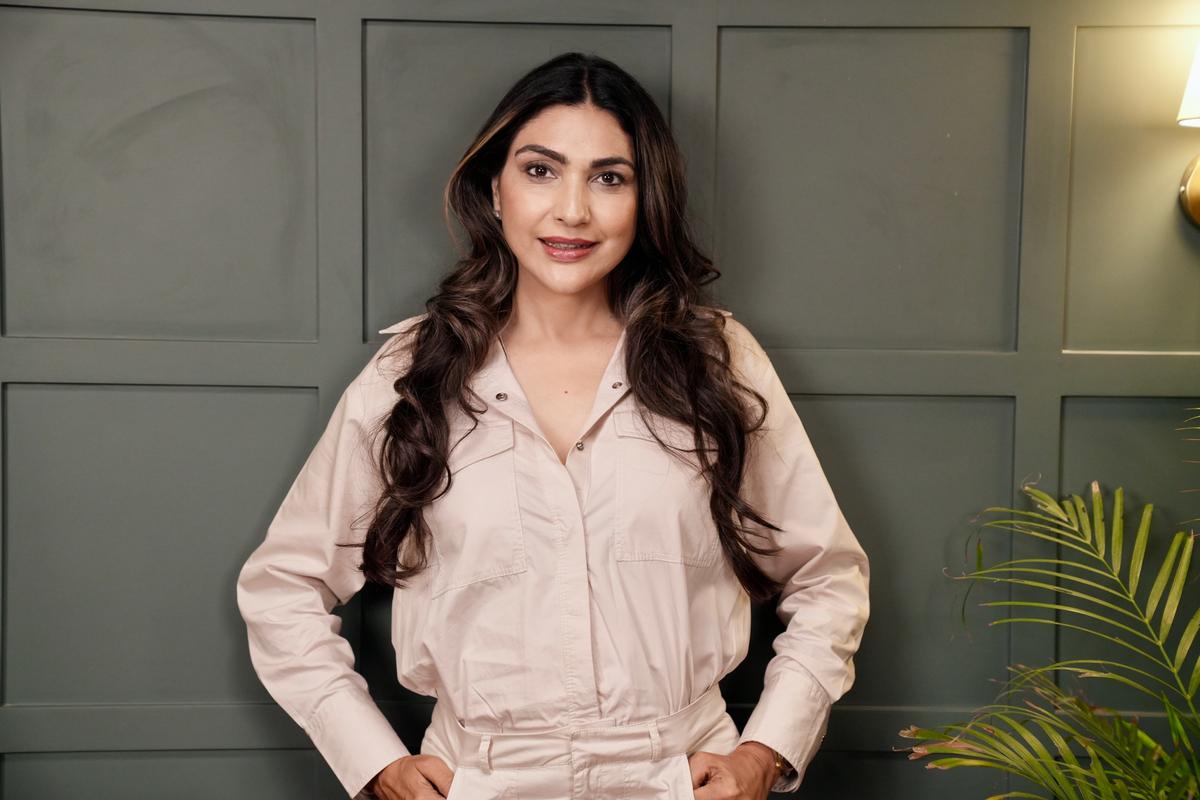
Shunali Shroff’s daughters look at food in terms of groups, making choices with intention.
“Teenagers and young adults aren’t waiting to feel unwell. They are treating wellness as a practice, not a remedy. It’s a shift in behaviour, but it tells you something profound about how this generation thinks about health,” she says. Cryotherapy, red-light therapy, Ayurvedic detox protocols, naturopathy cleanses, autophagy diets, urban ashrams, collagen formulas, PRP injections: all are part of her clients’ toolkits. Shroff describes the pursuit as a form of signalling, a way of showing that one has the time and resources to invest in living longer. She notes, “The body, once a private concern, has become a visible project.”
Aditya Palod, 30, works in private equity, a world built on long hours and constant mental strain. He has tried ice baths, yoga, the gym — the now-familiar rituals of modern self-optimisation. He emphasises, “how ordinary this sounds. These practices, once fringe, have become water-cooler conversations, shorthand for how a generation is trying to manage the cost of the way it lives”.
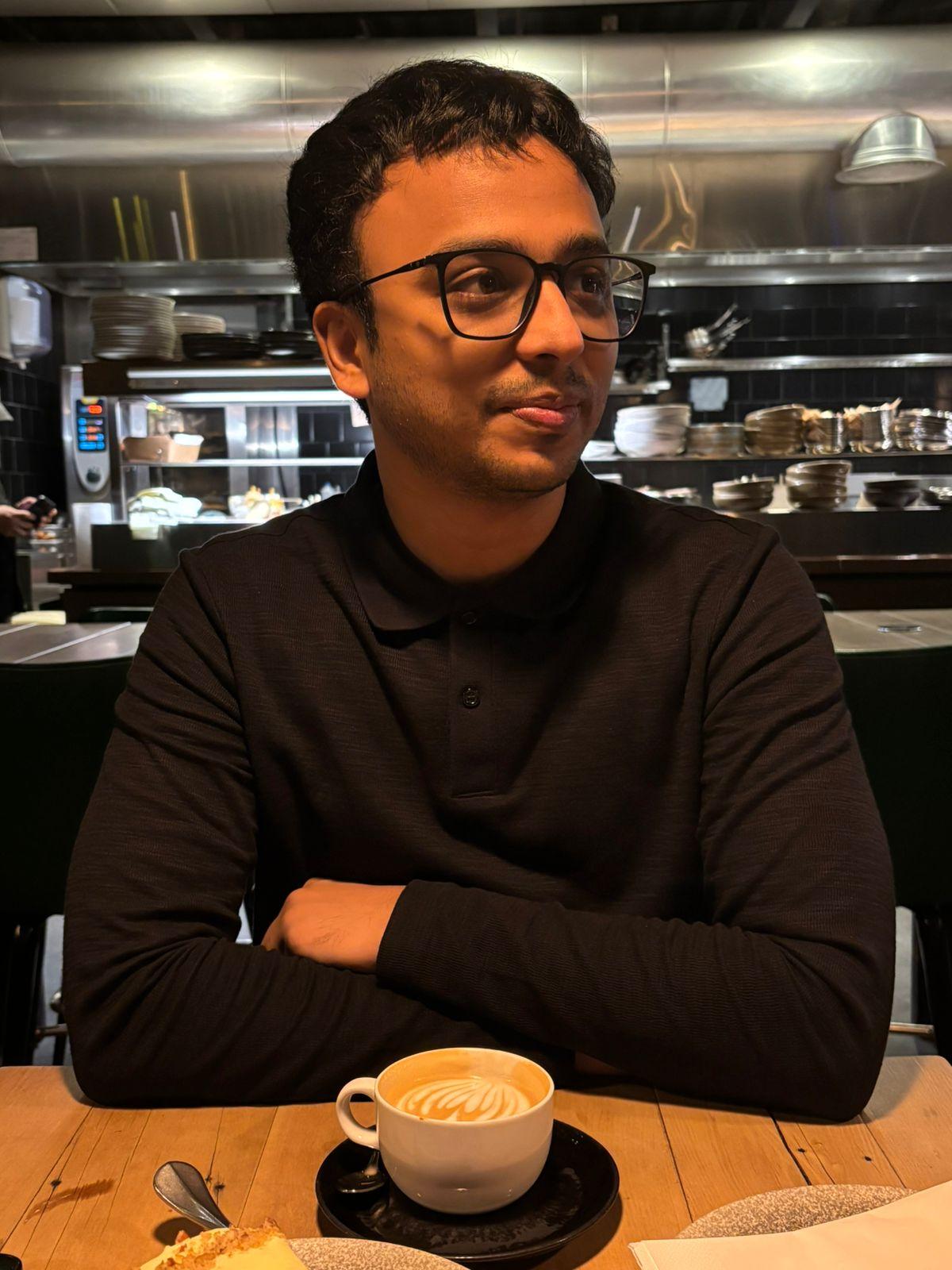
Aditya Palod has tried ice baths, yoga, and the gym.
Who gets to age well?
Longevity does not arrive evenly. Versions that play out in public often begin at the top and move outward. Surinder S. Jodhka, professor of sociology at Jawaharlal Nehru University, argues that longer life is fast becoming another marker of inequality. “Who gets to age well increasingly reflects who has access to education, nutrition, healthcare, and time over a lifetime,” he states. What makes this divide sharper is the limited role of the state in preparing for an ageing population. “India’s public systems were built around scarcity, survival, and youth, not longevity. Healthcare capacity is strained, pensions remain thin, and there is little coordinated policy thinking around how older citizens will live, move, and be cared for,” says Jodhka. “As family structures loosen and informal care weakens, the responsibility for ageing has quietly shifted from the public realm to private households and markets. Thus longevity, in this context, risks becoming less a collective achievement and more a personal privilege.”

“The country already has more than 140 million people over the age of 60. By 2050, that number is expected to exceed 350 million. This will give rise to a senior citizen economy estimated to cross $1 trillion dollars. An economy built for youth and speed will be forced to adapt to endurance, care, and ageing.”Aryan KhaitanInvestment associate, Whiteboard Capital
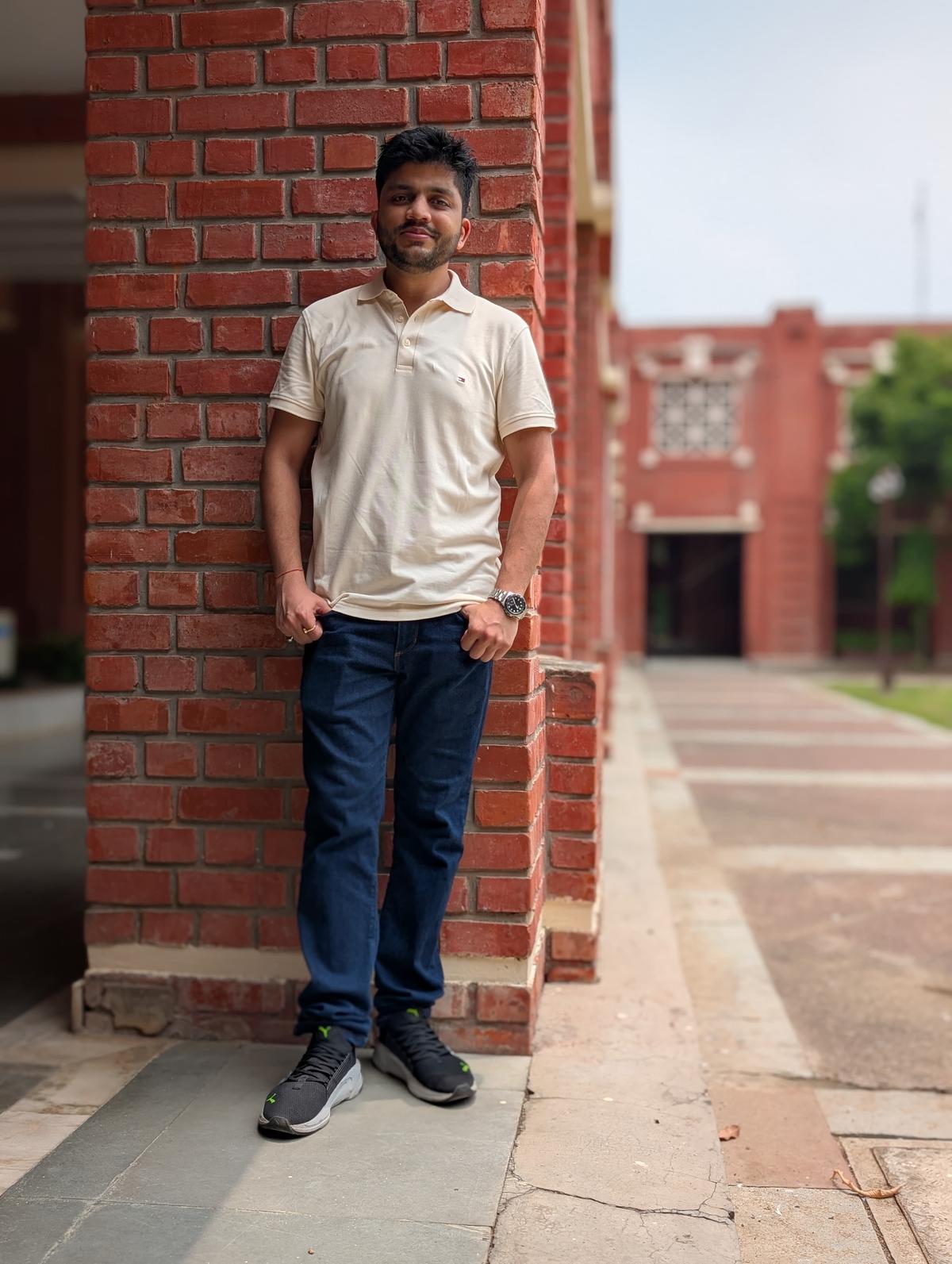
Aryan Khaitan
Beyond western templates
India’s longevity story, however, cannot simply borrow from western templates. “In India, people often live long enough to grow old, but not well enough to remain independent,” says Rishi Pardal, co-founder of the longevity clinic Biopeak. He argues that the real question should be about functional survival — much like the younger generation is increasingly trying to address. “The gap between lifespan and healthspan is wide, and it appears early. Indians tend to develop cardiometabolic risks at younger ages and lower thresholds than western populations. Muscle loss, reduced mobility, and chronic inflammation set in sooner.” Many interventions popular in global longevity circles are designed for very different biological and social conditions.
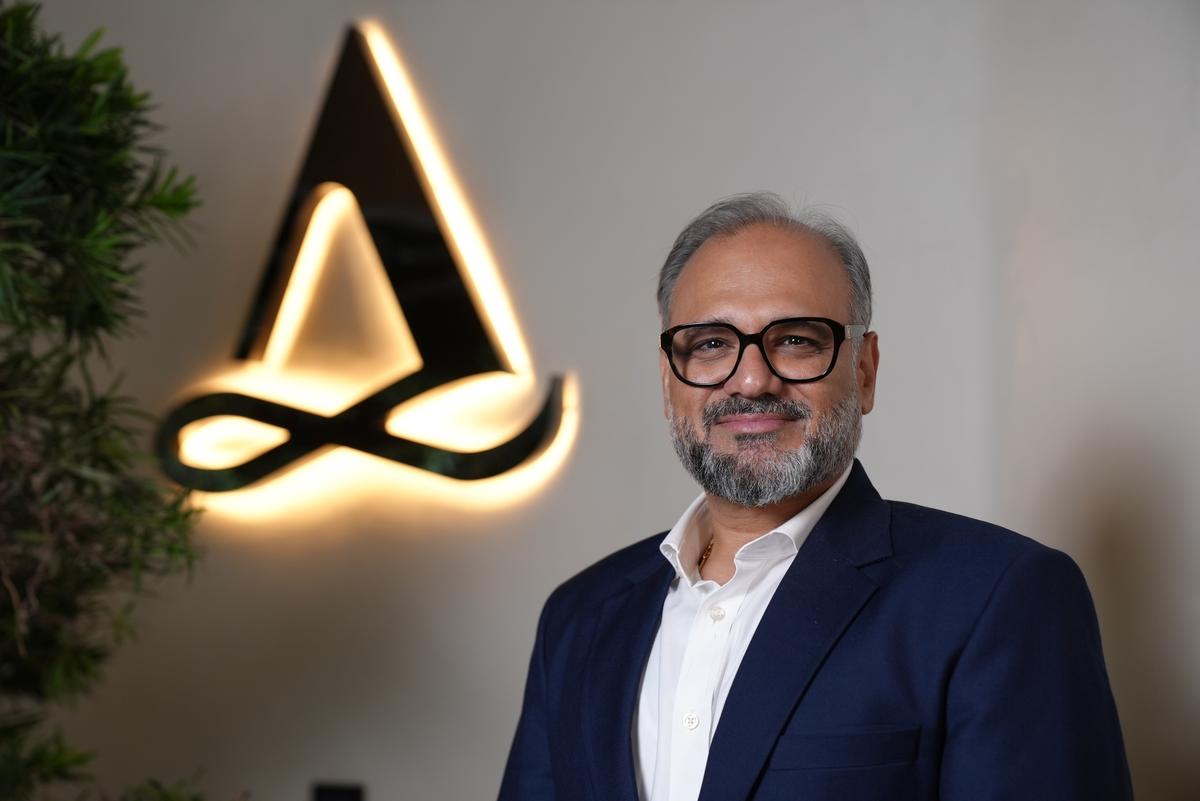
Rishi Parda says the real question should be about functional survival.
Meanwhile, Prashanth Prakash, founding patron of Longevity India, a multi-disciplinary initiative by The Indian Institute of Science, believes that India’s historical links with practices such as Ayurveda and meditation could stand us in good stead. He states the country can be a hub of longevity innovation. “We can leapfrog legacy sick-care systems directly to predictive health, and our history is a massive asset here,” he explains. “Ayurveda is essentially the original ‘systems biology’ — viewing the body as an interconnected network rather than isolated parts. This cultural familiarity with holistic balance [like gut-brain axes] accelerates the acceptance of modern, AI-driven interventions.”
“The need of the hour is to converge ancient wisdom with modern medicine in an evidence-based way. Scaling longevity services will require collaboration between the public and private sectors. Insurers could tie policies to preventive health metrics [like wellness scores] to reward healthy behaviour. Public health systems could partner with longevity researchers to bring data-driven, preventive programmes into communities. High-touch clinics could serve as innovation labs, but a more affordable layer will consist of AI-led digital coaches that deliver 80% of the value at a fraction of the cost.”Prashanth PrakashFounding patron, Longevity India
New financial products
The shift in ‘longevity thinking’ is already visible in finance. Srinivas Balasubramanian, Chief of Product and Marketing at ICICI Prudential, says: “Most retirement planning was designed for a world in which lifespans followed a reasonably predictable arc. You worked, you retired, and you planned for a known horizon.” That world is slipping away. People are living longer, and the uncertainty of how long retirement might last has forced insurers to rethink what risk actually means. In response, a new category of financial products, such as annuities, has emerged, built around the concept of longevity — designed to pay out for as long as a person lives, however long that turns out to be. These products, Balasubramanian notes, are drawing intense interest and are growing 10%-20% faster than traditional retirement offerings.
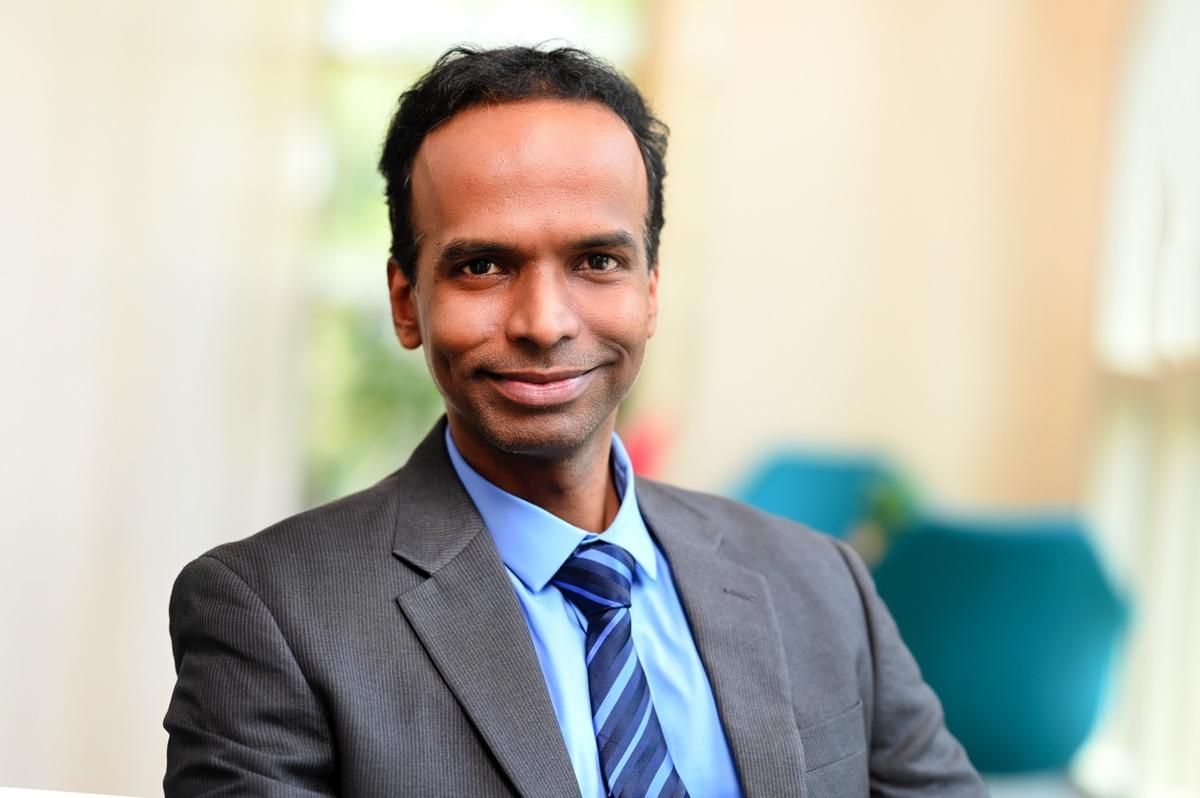
Srinivas Balasubramanian
A collective recalibration
A decade from now, Rathinam will not remember most of his numbers. The sleep scores and charts will blur with time. But his health, tended to early and deliberately, will hopefully stand him in good stead.
Awareness is spreading, too. A whole generation is beginning to think about ageing before it arrives, to treat strength, mobility, and mental clarity as assets worth protecting. Longevity need not be a race to live forever or a privilege reserved for a few. At its best, it could be a collective recalibration, a society learning to value staying capable, connected, and independent for longer.
The author works in consulting by day and writes about culture, business, and modern life.