
In many villages along the Cauvery river, known as the lifeline of Tamil Nadu and Karnataka, freshwater fish is a staple — affordable, locally available, and an important source of protein for families.
Growing evidence of contamination in the river, however, has raised concerns that this everyday food may carry long-term health risks, particularly for communities that consume it regularly, and also contribute to nutrition insecurity.

Long-term exposure
Recent research by scientists from Bharathidasan University in Tamil Nadu showed elevated levels of heavy metals in fish from multiple stretches of the Cauvery. While the study notes that occasional fish intake may not cause immediate harm, it cautions that prolonged exposure, particularly to metals such as cadmium and lead, could result in cumulative non-carcinogenic and carcinogenic effects, depending on the frequency of consumption and the age of the individual.
The study, published inEnvironmental Earth Sciences, analysed sediments from 18 sites along the Cauvery and fish samples from 10 locations between August 2023 and February 2024. It examined the presence of chromium, cadmium, copper, lead and zinc, finding that metal accumulation varied significantly across species and locations. In several cases, concentrations exceeded internationally recognised thresholds for health risk, particularly for cadmium and lead.
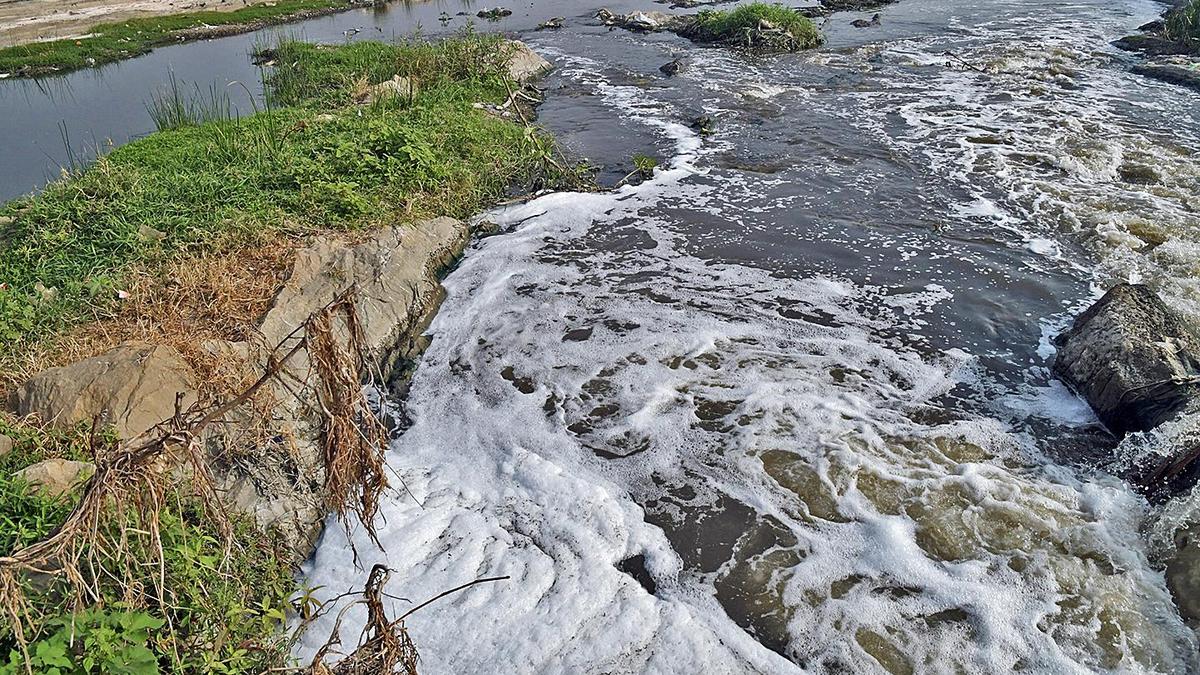
These findings add to a long body of evidence pointing to chronic pollution in the Cauvery basin. A 2014 study published in the Journal of Environmental Nanotechnology examining the impact of chemical industry effluents near the Mettur Dam found severe pollution of both the Cauvery river and nearby groundwater, rendering the water unfit for drinking or domestic use.
A more recent analysis of the Noyyal river basin, a tributary of the Cauvery running through the western districts of Tamil Nadu, found widespread heavy metal contamination in surface water. The pollution was linked mainly to industrial wastewater and seasonal runoff.

Contaminated food chains
In a State where many families already struggle to get enough protein from their typical diet, the contamination of an affordable and essential food source poses a serious public health concern. For lower-income households, river fish often fills an important gap in diets otherwise dominated by cereals, with limited access to costlier alternatives such as meat, eggs, or even pulses.
Viewed through a One Health lens, which recognises the interconnectedness of human health, animal health, and environmental health, the contamination of the Cauvery’s fish due to untreated industrial waste and urban sewage leads to downstream effects in food chains, eventually surfacing on household plates.
Experts note that the risk lies not in a single meal, but in repetition. Many fishing communities and low-income households consume fish several times a week, sometimes as a primary source of animal protein. Advisories recommending “moderation” or limiting consumption may be impractical for families whose food choices are dictated by price rather than preference.
However, finding alternatives is important, says Bhuvaneshwari Shankar, nutritionist at Apollo Hospitals, Chennai. “Eggs, milk and milk products, pulses, mushrooms, and high-protein vegetables like beans are good options. Buying vegetables in season is also more economical than purchasing those out of season,” she adds.
There are currently no targeted public advisories for communities dependent on riverine fish, nor are there support mechanisms to offset potential dietary changes.
Health risks
Heavy metals such as lead, cadmium, mercury, arsenic, and chromium can harm the body in myriad ways. Sai Krishna Chaitanya, consultant endocrinologist, Naruvi Hospitals, says lead can affect the brain and learning in children and cause anaemia or kidney problems in adults. Cadmium can damage the kidneys and weaken bones, while mercury, often found in fish, can affect the nervous system and harm a developing baby.
Arsenic can cause skin problems, increase cancer risk, and affect the heart and brain, and certain forms of chromium can harm the skin, lungs, liver, and kidneys and may increase cancer risk.

Need for safeguards
While the effects of heavy metals on neurodevelopment or neurotoxicity are well-documented, their impact on the endocrine system is less studied, he says. These heavy metals, which can act as endocrine disruptors, may cause early or delayed puberty. “Although some effects cannot be directly linked to heavy metal exposure,” says Dr. Chaitanya, “they remain a concern.”
Development economist Dipa Sinha notes that, as per the State of Food Security and Nutrition in the World report, a significant portion of households cannot afford a healthy diet that meets national nutrition guidelines. Protein-rich foods like fish, eggs, and meat are particularly expensive, making it difficult for many families to get adequate nutrition.
Ms. Sinha adds that locally available foods, including seafood from ponds or community tanks, play an important role in filling this gap. “We do find that polluted water and declining forests are increasingly threatening the availability and quality of these foods,” she says.
To minimise exposure to heavy metals in food, Dr. Chaitanya recommends regular water quality checks and ensuring that effluent treatment plants in industries are functioning properly, so that only treated effluent is released.
Published – December 21, 2025 03:00 pm IST