



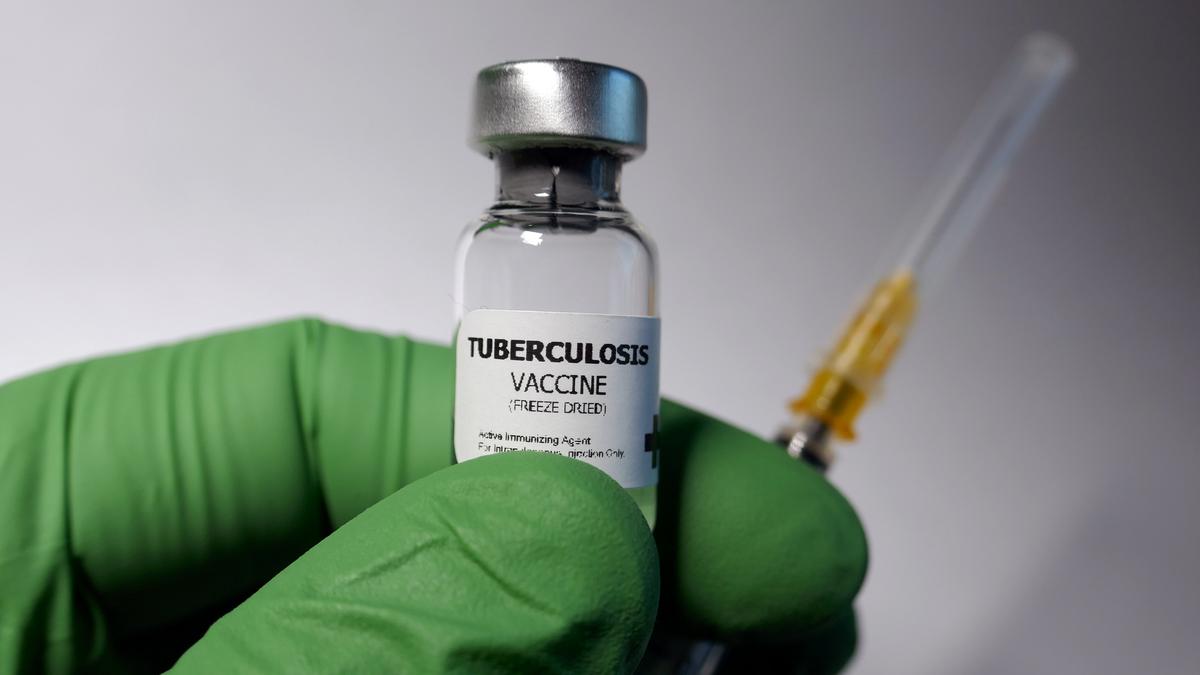
Image used for representational purpose only.
| Photo Credit: Getty Images/iStockphoto
India continues to bear a major portion of the global tuberculosis (TB) burden, accounting for about 27% of the cases worldwide, and faces challenges—including socio-economic disparities, malnutrition, comorbidities and disruptions due to the COVID-19 pandemic— that impede elimination efforts.

A TB report titled “India’s Progress in Addressing the Challenges of Tuberculosis”, published by stakeholders including the Women’s Collective Forum, has also identified India’s rural, tribal and migrant communities as those faced with multiple challenges when fighting tuberculosis.
“Migrant populations in India encounter critical obstacles to TB care due to high mobility, informal employment and limited health access, often resulting in delayed diagnosis and disrupted treatment,’’ said the report, adding that targeted intervention should include nationwide mapping of non-notified settlements to identify high-burden migrant clusters, as well as outreach programs in educational institutions for early awareness and screening.

It also noted that addressing these challenges requires an integrated migrant health framework, combining various sectors like HIV, NCD and vector-borne disease services, at common delivery points. Also, strengthening data systems for frontline workers and establishing an online inter-state referral platform can improve tracking and continuity care, stated the report.
Highlighting the challenges faced by frontline workers, the report stated that developing a robust employee welfare policy that encompasses incentives, travel reimbursement, health insurance and salary standardisation for frontline workers necessitates prioritisation.
“Operational research on work patterns, documentation processes and barriers to patient-centred service delivery among frontline workers may produce evidence-based strategies,’’ said the report.
It notes that strengthening health infrastructure, embedding digital technology and equity, ensuring uninterrupted care in crises, and empowering communities through partnership models will be critical to overcome the existing barriers and achieve TB elimination targets,’’ it said.
Global TB funding lags, reaching only a quarter of WHO targets
Additionally, research also indicates that a significant proportion of TB survivors exhibit chronic respiratory symptoms or structural lung damage, such as fibrosis, bronchiectasis and airflow obstruction. “Post-TB lung disease significantly impacts morbidity, disability and mortality rates. Establishing a national framework for post-TB care is crucial,’’ said the report.
It added that nearly 60 % of individuals with TB symptoms in India initially seek care from private providers, underscoring the critical need for robust and sustained public-private partnerships to meet national TB elimination goals.
Published – January 03, 2026 09:43 pm IST


