



Diet and nutrition form the foundation of good health and longevity. Our diets play a dual role when it comes to health and disease: a balanced diet preserves health and lowers the risk of non-communicable diseases, while a consistent nutrient-rich diet during cancer treatment upholds healing, recovery and energy levels.
Diet’s role in oncology
For individuals undergoing cancer treatment, nutrition becomes far more than a matter of general wellness—it becomes a vital component of healing. Cancer and its treatments place immense stress on the body, resulting in higher needs for energy, protein, vitamins, and minerals. Adequate nutritional intake supports tissue repair, maintains immune function, preserves healthy body weight, and enhances the body’s ability to tolerate and recover from medical therapies. When these needs are unmet, patients face a greater risk of malnutrition and cancer cachexia, a serious condition marked by involuntary weight loss, muscle wasting, weakness, and reduced physical capacity.
In addition, cancer-related fatigue is a common, distressing symptom experienced by patients. This fatigue often persists regardless of rest or sleep. Nutrient-dense foods, help stabilise energy levels by reducing inflammation, preserving muscle mass, and maintaining metabolic balance. Thus, nutrition plays a both supportive and a therapeutic role —in helping patients cope with both the physical strain and emotional challenges associated with cancer and its treatments

Nutritional challenges
Surgery, radiation and chemotherapy can create substantial nutritional challenges. While they increase the body’s energy and protein needs, they also often cause side-effects that result in reduced food intake.
Radiation therapy can affect healthy tissues around the tumour, especially in the head, neck, abdomen, or pelvic regions. Side-effects may include fatigue, loss of appetite, mouth sores, difficulty swallowing, diarrhoea, constipation, and progressive weight or muscle loss.
Chemotherapy raises the body’s nutritional requirements. However, side effects such as nausea, vomiting, mouth ulcers, altered taste, diarrhoea, constipation, and fatigue often make it challenging to consume enough food and patients may require other forms of feeding (tube, enteral or parenteral nutrition).
Surgical treatments increase nutritional demands during the healing process. Depending on the surgery, patients may initially require liquid diets, texture-modified foods, or small frequent meals. Some patients may require enteral feeding: enteral or tube feeding is a method of delivering liquid nutrition via a tube directly into the stomach, when a person is unable to eat or swallow safely by mouth, or parenteral (intravenous) feeding.

Therapeutic diets
Cancer care recognises diet as a pivotal part of the treatment process. Therapeutic diets are designed to maintain nutritional status, support metabolic functions, address disease-related symptoms, minimise side-effects of treatments, and speed up overall recovery. These diets are planned by trained dietitians in collaboration with oncologists and are tailored to meet the unique needs of each patient.
Two important therapeutic diets frequently used in oncology include:
High-protein diet: During chemotherapy, radiation, or surgery recovery, the body requires more protein to repair tissues, maintain muscle strength, and support immune function. A high-protein diet helps counteract muscle loss, promotes wound healing, and enhances patients’ resilience during treatment.
Neutropenic diet:Patients with low white blood cell counts, usually due to chemotherapy-induced neutropenia, are at increased risk of infections. A neutropenic diet emphasises hygienically prepared, well-cooked foods that minimise exposure to harmful microorganisms.

Early nutritional intervention
Early identification of nutritional risks and timely dietary intervention can significantly improve outcomes. Ideally, nutritional screening should begin at diagnosis and the patient should be optimised prior to treatment commencement (pre-habilitation).
Nutrition care must always be individualised. Factors such as cancer type, treatment modality, stage of disease, side-effects, and cultural food preferences should be considered. Dietitians play a crucial role in providing evidence-based guidance by following established nutrition protocols such as those from the European Society for Clinical Nutrition and Metabolism and the Indian Association for Parenteral and Enteral Nutrition.

During treatment, patients should consume culturally familiar, easy-to-digest foods; eat small, frequent meals; maintain adequate hydration; increase protein intake to support muscle mass; follow a balanced diet to meet nutrient and fibre needs; and ensure strict food safety, especially if immunocompromised.

Daily diet dictates health
Diet, nutrition and lifestyle changes are life-long partners to good health. We live in a world that is saturated with fast foods, sugared drinks, processed foods and unhealthy snack choices. These, alongside a reduction in wholesome home-cooked meals, has tilted the balance towards the rise of non-communicable diseases. It is imperative, therefore, to increase our knowledge about the role of diet on our health.
Several scientific reviews note that a Mediterranean type of diet lowers cancer risk(by reducing oxidative stress, preserving cellular health and lowering obesity incidence) through a high intake of fibre, antioxidants, and healthy fats (mono-unsaturated fats: polyphenols and oleocanthal source through olive oil, and nuts and omega fatty acids through fish). The mechanism of action is reduction in oxidative DNA damage which is the central driver of carcinogenesis. Additionally, several Indian spices (such as turmeric, ginger, cumin and coriander) are rich in bioactive compounds (including curcumin and gingerols) that display anti-inflammatory and antioxidant properties and are also known to modulate key signalling pathways. Contrastingly, diets high in processed meat, refined grains and added sugars, in the absence of fibre-rich foods, can increase cancer risk.
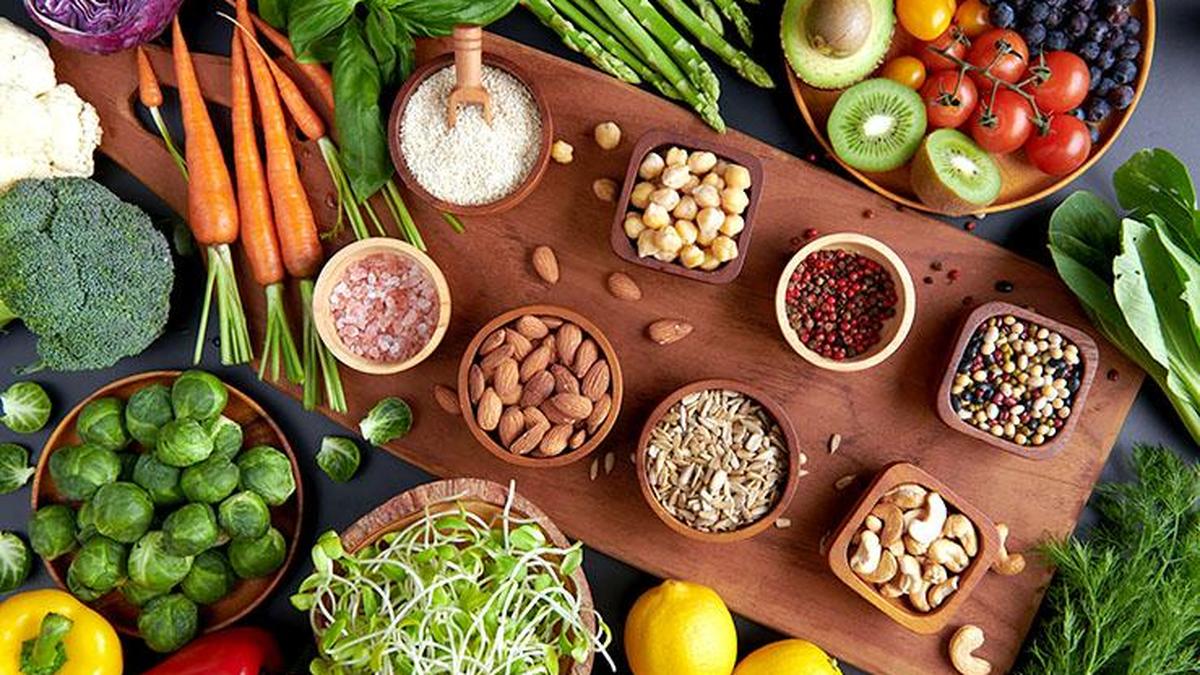
While choosing an extra serving, opt for vegetables, fruits, whole grains, pulses, nuts and seeds that unlock the protective power of fibre, vitamins and minerals. These foods support a healthy gut microbiome, strengthen immunity, reduce inflammation and support a healthier body weight, thereby lowering obesity-related cancer risk (breast, colorectal, endometrial, renal and pancreatic cancers).
In summary, for a healthy diet and lifestyle: increase intake of wholegrains, vegetables, fruits, lentils, beans, nuts and seeds; reduce fast foods, red and processed meats; limit sugar‑sweetened drinks and alcohol; quit tobacco; maintain a healthy body weight and remain consistently physically active.
Dietary guidance for patients during treatment
| Choose culturally familiar foods : | Diets based on rice, millets, lentils, vegetables, and fermented foods are nutritious and easy to digest. |
| Eat small, frequent meals : | When appetite is poor, smaller meals eaten more frequently help maintain energy levels without overwhelming the digestive system. |
| Stay well hydrated : | Patients should drink at least two litres of fluids daily unless medically restricted |
| Increase Protein intake : | Protein-rich foods—such as paneer, eggs, lentils, milk, curd, nuts, and lean meats—help preserve muscle mass. |
| Maintain balanced nutrition : | Including whole grains, fruits, vegetables, healthy fats, and protein ensures that the body receives vitamins, minerals, fibre. |
| Prioritise food safety : | Immunocompromised patients (low white blood cell counts) need to adopt stringent hygiene measures. |
Looking ahead, both for our health and the planet’s, the EAT–Lancet Commission proposes a “universal healthy reference diet” that is largely plant-based, environmentally sustainable and capable of preventing diet-related non-communicable diseases.
Every bite we eat is our first medicine: the choice towards good health can be made from well within the confines of our kitchens, and the time to make this choice is now.
(Dr. Rama R. is associate professor & head, department of epidemiology, Cancer Institute (WIA). r.rama@cancerinstitutewia.org; Dr. Parvathy K. is dietician, department of dietetics, Cancer Institute (WIA) diet@cancerinstitutewia.org; Dr. Mahalakshmi Rangabashyam Shetty is consultant, The Head and Neck Clinic & professor of practice, department of medical sciences and technology, Indian Institute of Technology, Madras. mranagabashyams@iitm.ac.in)


