
With the rising burden of cancer in India, awareness is beginning to increase about several cancers including breast, lung and oral. But there are over 100 types of cancers, and some of these are still hardly known. Sarcoma, a rare cancer, is one of these. It is only when someone has been diagnosed with sarcoma or has a family member diagnosed with it, that they hear of it for the first time and then begin to look for information.
I know this reality personally. I am a two-time cancer survivor. I was diagnosed with synovial sarcoma in 2016, completed my treatment in 2017, and later underwent an amputation in 2023. Living through sarcoma has not only shaped my life but has also given me a deep understanding of the struggles sarcoma patients face—physically, emotionally, socially, and financially.

What is sarcoma?
Sarcoma is a rare and high-grade cancer that arises from bones and soft tissues such as muscles, fat, nerves, and blood vessels. It can occur in any part of the body and often appears as a lump or swelling, which may be painless or painful.
Sarcoma can affect any age group—children, adolescents, young adults, and the elderly. It is a highly heterogeneous cancer, with around 200 subtypes. Because it is so rare, patients diagnosed with sarcoma often feel isolated and lonely, and many struggle with mental health issues.
Also Read: Experts push for early diagnosis of paediatric sarcoma at Indo–Italian medical conference
Giving back
After completing my sarcoma treatment in 2017, I felt a strong need to give back to society. With the support of Sameer Rastogi, additional professor at AIIMS, New Delhi, I formed a sarcoma support group that later became the Sachin Sarcoma Society (SSS) in 2018.
SSS was formed with a clear mission to spread awareness about sarcoma, build companionship among affected families, and remove the fear associated with this rare cancer. Over the years, the group has been able to positively impact the lives of more than 9,000 sarcoma patients.
Having lived with sarcoma myself and having interacted with thousands of patients over the last eight years, I have seen first-hand the numerous challenges sarcoma patients face.

Challenges ahead
Sarcoma patients face multiple challenges, starting from the very beginning of their diagnosis.
Many patients experience misdiagnosis, or are diagnosed late. Often, they receive treatment from doctors who are not sarcoma specialists, which leads to inappropriate or incorrect treatment. Like any other cancer, early detection is crucial in sarcoma. Early diagnosis can save lives and, in many cases, limbs.
Due to lack of awareness, patients usually first visit local physicians and may begin incorrect treatment. By the time they reach tertiary cancer centres the disease may have already spread. Once sarcoma becomes metastatic, curing the patient becomes extremely difficult.
Correct, timely diagnosis is critical. Biopsies play an important role in sarcoma, and accurate pathology done at experienced tertiary centres can significantly improve prognosis. Sarcoma patients must undertake treatment only from sarcoma specialists who work in a multidisciplinary team involving pathologists, medical oncologists, radiation oncologists, and radiologists. Wrong treatment at the initial stage can have lifelong consequences, including amputation. These are major administrative and medical challenges, but the struggles do not end there.

Emotional struggles
Emotionally, sarcoma patients, much like patients diagnosed with other cancers, go through immense turmoil. Many patients ask, “why me?” Some experience suicidal thoughts. The first questions that arise are about survival and the impact it will have on families. Because sarcoma often affects young adults, many compare themselves with peers who are progressing in their careers and feel left behind. Young women diagnosed with sarcoma worry about marriage and fertility, especially as chemotherapy can affect their ability to have children.
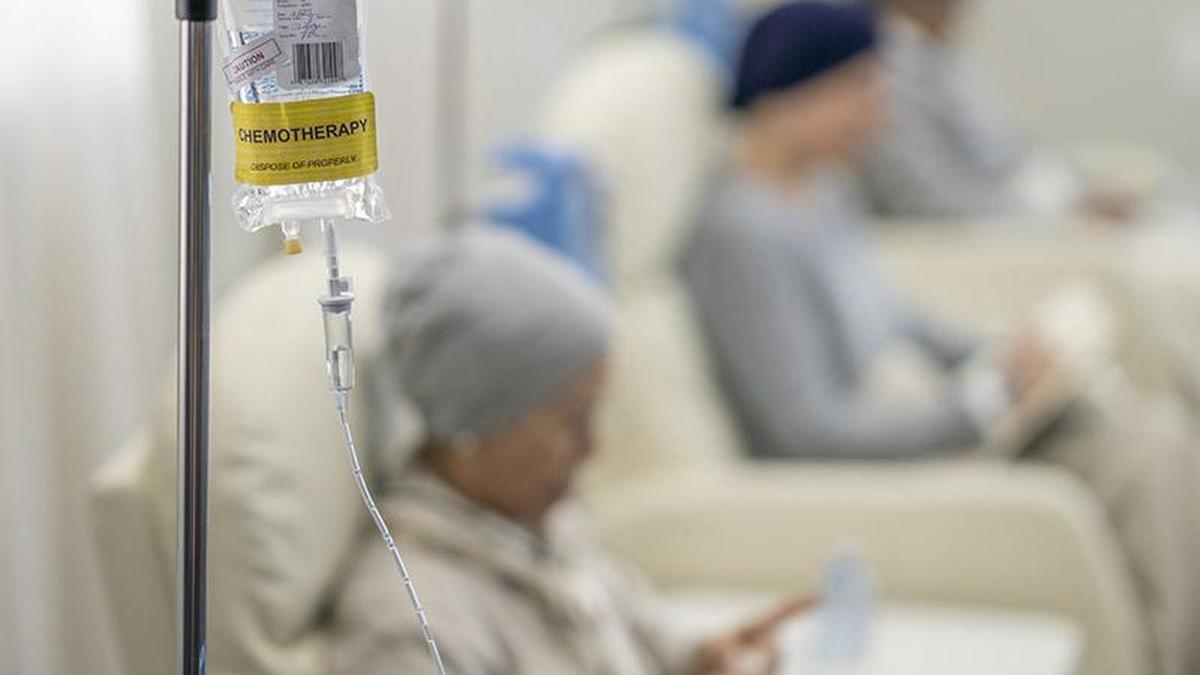
Patients undergoing chemotherapy also face body image issues—hair loss, weight changes—which deeply affect their confidence. Many withdraw from social interactions, leading to further isolation and loneliness.
Financial barriers
Sarcoma treatment usually involves surgery, chemotherapy, radiation, or a combination of these. Treatment at private hospitals, expensive implants, or immunotherapy add to the financial burden.
Many patients do not receive adequate family or employer support. Some lose their jobs after amputation or implant surgeries, which further worsens their financial stress. Relationship issues and lack of social support compound their suffering.

The way forward
Dedicated support groups can help with some of the challenges sarcoma patients face. They ensure no sarcoma patient fights their disease alone.
Just because sarcoma is rare, does not mean patients must lose out: rarity must never mean neglect. There is an urgent need for doctors, hospitals, policymakers, insurers, diagnostic labs, NGOs, and the government to recognise sarcoma as a serious cancer that requires focused attention. Early referral to sarcoma specialists, correct biopsies and pathology at experienced centres, and timely treatment must become standard practice.
The financial burden, delayed diagnoses, emotional trauma, and loss of livelihood — for all cancers including sarcoma — can be reduced only when all stakeholders work together.
To reduce barriers and improve outcomes, there is a need to: increase awareness about sarcoma among the general public; collaborate with doctors, government bodies, NGOs, diagnostic labs, insurance companies, and policymakers for early, comprehensive care and financial cover; conduct more patient education and caregiver programmes; improve doctor training and referral systems; strengthen patient advocacy with the government ; connect patients with each other for peer support and include dedicated sarcoma sessions in cancer conferences.
Sarcoma patients, like all others, deserve timely care, dignity, emotional support, and hope, and most of all, the realisation that they are not fighting alone.
(Rashi Kapoor is president, Sachin Sarcoma Society. To reach Sachin Sarcoma Society, you can contact the helpline number: 7303827447; email: support@sachinsarcomasociety.org or log on to www.sachinsarcomasociety.org)


