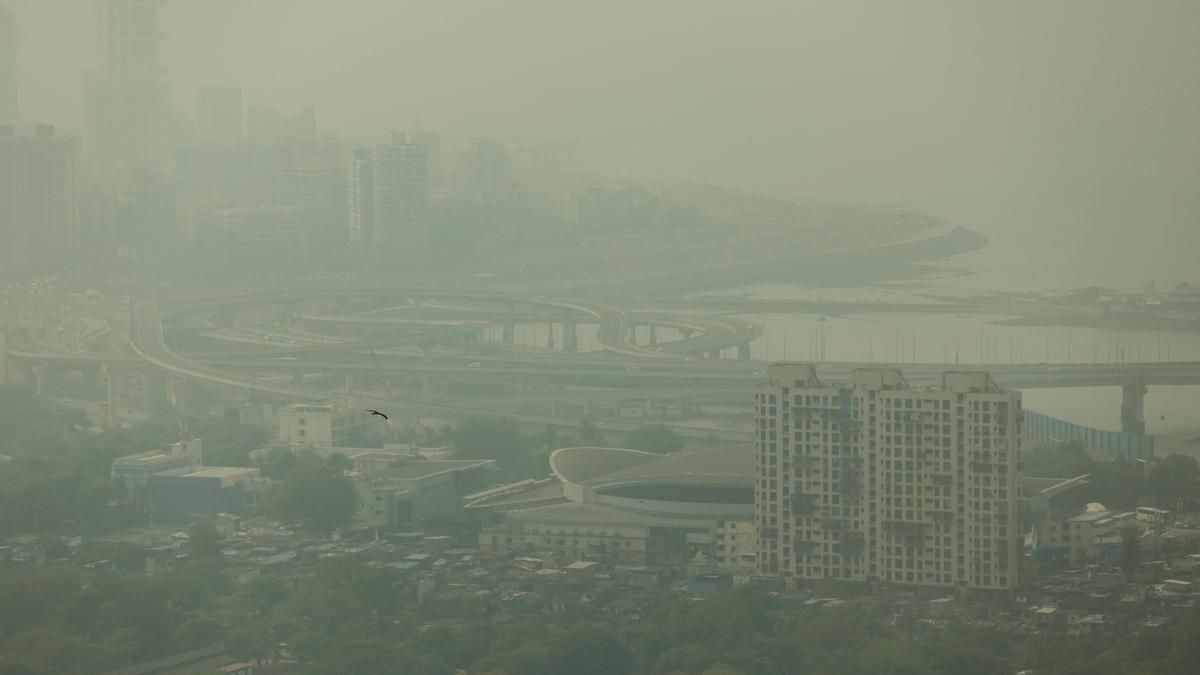


Air pollution in India is no longer a winter irritant confined to the northern plains. It has become a persistent, nationwide public health emergency that affects every demographic group and nearly every organ system. Across the Indo-Gangetic plain, and increasingly in fast-growing urban centres elsewhere, dangerous concentrations of particulate matter are shaping disease patterns, slowing childhood development and silently reducing life expectancy.
India’s air quality crisis is both widespread and deeply entrenched. Of the 256 cities monitored in 2025, 150 exceeded the national PM 2.5 standard as per a report by the Centre for Research on Energy and Clean Air. For most urban residents, breathing unhealthy or hazardous air is now a routine part of the year. The Indo-Gangetic plain remains the worst affected. In 2025, Delhi recorded seasonal PM 2.5 levels of 107–130 µg/m³—far above India’s 24-hour limit of 60 µg/m³ and the World Health Organization guideline of 15 µg/m³.

Flawed index, outdated ceiling
India’s official Air Quality Index (AQI) continues to cap values at 500, although real-time pollution levels in Delhi and other cities often exceed this threshold. The cap—introduced over a decade ago—was intended to avoid public alarm and was based on the belief that health impacts beyond 500 would be uniformly severe. Consequently, government platforms collapse all extreme pollution into one “severe” category, even as international trackers such as IQAir routinely show values above 600 and occasionally beyond 1,000. Experts have repeatedly pointed out that India’s AQI relies on outdated thresholds and instruments, and that the scale requires recalibration, removal of the upper cap and modernised monitoring.
Also Read: Losing the plot: On North India’s air quality issue
Years of life lost
The health burden of toxic air is stark. According to the Air Quality Life Index (AQLI) of the University of Chicago’s Energy Policy Institute, nearly 46% of Indians live in regions where air pollution significantly reduces life expectancy. In Delhi, current PM 2.5 exposure translates into a loss of more than eight years of life when measured against WHO standards. Across northern India, the losses range between 3.5 and seven years.
The mortality toll is equally worrying. In 2023, air pollution contributed to nearly two million deaths nationwide, as per the State of Global Air Report, 2025, primarily from cardiovascular disease, stroke, COPD and diabetes. Pollution-linked mortality has risen by 43% since 2000, underscoring the cumulative effects of long-term exposure.

What PM 2.5 does inside the body
Cardiovascular harm: PM 2.5 particles penetrate deep into the lungs, cross into the bloodstream and provoke systemic inflammation. Multi-city epidemiological studies in India show an 8% increase in annual mortality for every 10 µg/m³ rise in long-term PM 2.5 exposure. Elevated exposure is linked to hypertension, atherosclerosis, myocardial infarction, arrhythmias and ischemic stroke. In a country already struggling with high cardiovascular disease rates, polluted air acts as a potent, invisible accelerant.
Respiratory illness: Respiratory illnesses remain the most visible consequence of toxic air. Nearly 6% of Indian children now suffer from asthma. Clinical data from AIIMS reveals that a modest 10 µg/m³ increase in PM 2.5 can cause a 20–40% spike in paediatric emergency visits for respiratory distress. Children exposed to high pollution levels show a 10–15% reduction in lung capacity—a deficit that may persist into adulthood. Among adults, COPD, chronic bronchitis and recurrent respiratory infections are increasingly common, especially for those living near roads, industries, landfills and construction sites.
Neurological impacts: Emerging scientific evidence shows that air pollution affects the brain as seriously as it affects the lungs and heart. PM 2.5 particles can cross the blood–brain barrier, triggering neuroinflammation and oxidative stress. Studies from Indian cities link pollution exposure to poorer academic performance, impaired memory and slower cognitive development among children. International meta-analyses show a 35–49% higher risk of dementia for every 10 µg/m³ increase in PM 2.5. Reviews in Environmental Health Perspectives (2024) suggest that polluted air accelerates brain ageing through vascular injury and toxic metal deposition.
Maternal and neonatal health: High PM 2.5 exposure is associated with preterm births, low birth weight, stillbirths, and heightened neonatal mortality. Women living near major roads, industrial sites or waste-burning hotspots are especially vulnerable. These early-life impacts have long-term consequences, deepening health inequities across generations.

Inequality, misplaced focus
Air pollution in India mirrors existing social and economic inequalities. Lower-income communities often live closest to emission hotspots—major roads, industrial clusters, construction zones and landfills. Children in these neighbourhoods spend more time outdoors and are therefore more exposed. Poor housing, limited access to clean fuels and inadequate healthcare exacerbate vulnerabilities. During winter, States such as Delhi, Punjab, Haryana, Uttar Pradesh and Bihar frequently record “severe” or “hazardous” AQI levels (CREA, 2025), where the poorest bear the heaviest burden.
Public discussions often focus on stubble burning or Diwali fireworks. While these events intensify pollution, they are not the root cause. Source-apportionment studies consistently show that year-round structural contributors—vehicular emissions, industrial processes, dust from construction and demolition, informal waste burning, and household biomass use—drive baseline PM 2.5 levels. Seasonal factors simply worsen an already dangerous situation.

A health-centred policy framework
The National Clean Air Programme (NCAP) has initiated some improvements, but its targets remain modest and enforcement weak. Therefore, a health-centred, multi-sectoral strategy is now essential, which should include:
Transport transformation: Large-scale electrification of buses, taxis, auto-rickshaws and two-wheelers; shifting freight from diesel trucks to rail and electric fleets; real-world emissions monitoring; and the introduction of low-emission zones and congestion pricing.
Industrial control: Strict enforcement of pollution-control technologies and a phased transition from coal-based processes.
Construction regulation: Mandatory dust-suppression protocols, enclosure norms and mechanised sweeping.
Waste-management reform: Segregation at source, decentralised treatment, biomethanation and scientific landfill remediation to eliminate open burning.
Health-system integration: A health-centred framework should integrate air quality into routine healthcare. District-level advisories based on real-time AQI, lung-function testing within school-health programmes, and screening for COPD and cognitive decline.

A fundamental right
India must recognise clean air as a fundamental right essential to equitable growth. The scientific evidence is overwhelming, and the health impacts are undeniable. Protecting clean air must now become a non-negotiable national priority—anchored in science, driven by public health, and executed with urgency.
(Dr. Sudheer Kumar Shukla is an environmental scientist and sustainability expert. He currently serves as head-think tank at Mobius Foundation, New Delhi. sudheerkrshukla@gmail.com)
Published – December 12, 2025 08:00 am IST