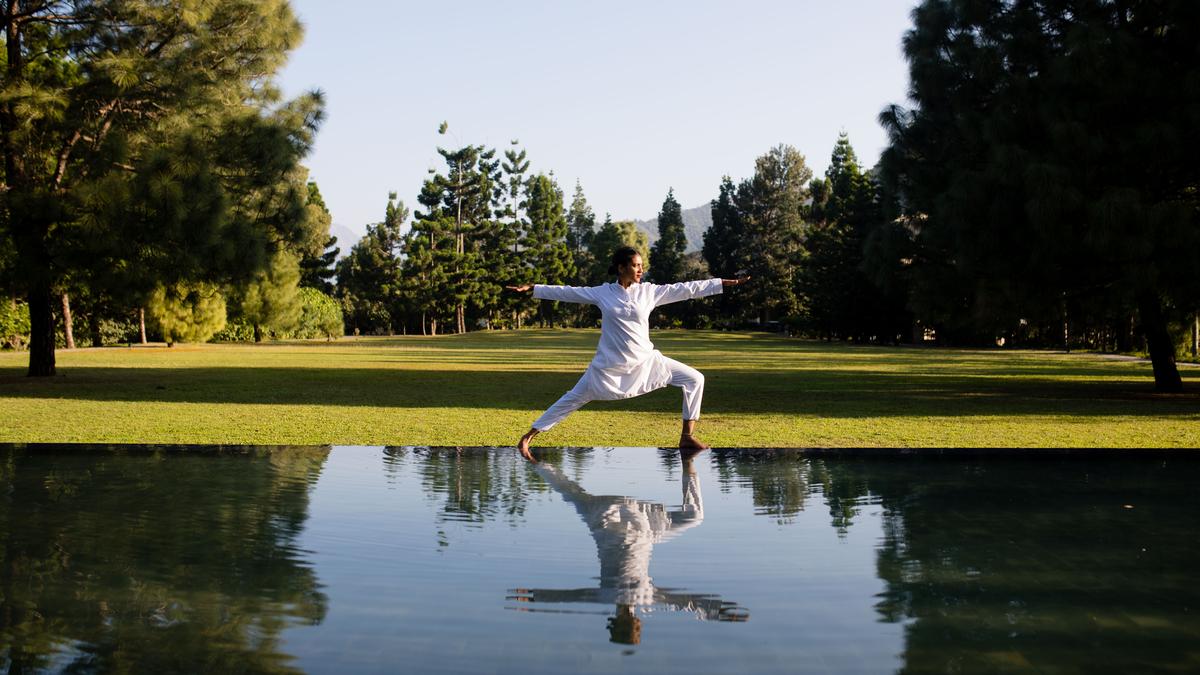


Wellness in India is no longer limited to luxury retreats, spa holidays or aspirational lifestyles. In fact, wellbeing is becoming embedded in everyday life — shaping how people work, travel, recover, relate and rest. From longevity therapies in city hotels and urban sanctuaries focused on emotional regulation, to women-led health conversations, community-driven wellness festivals and a renewed interest in ecological, place-based healing, the country’s wellness landscape is expanding rapidly and deliberately.
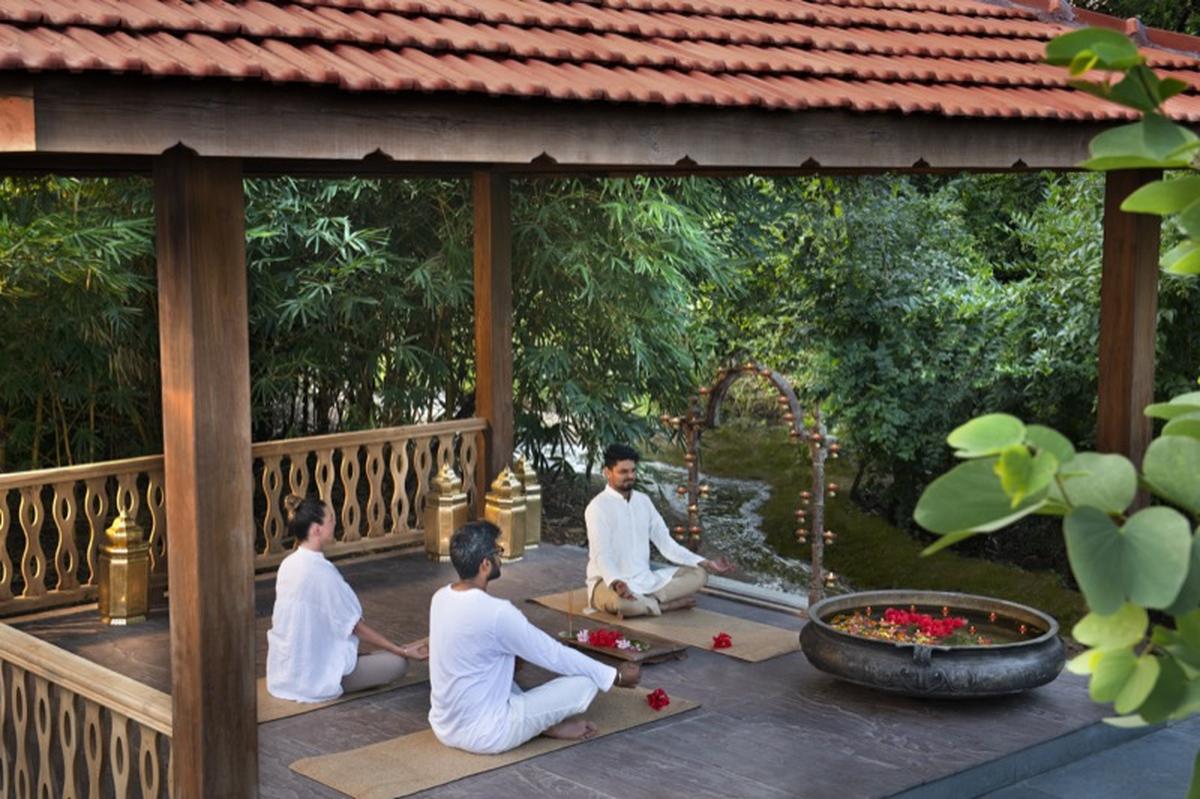
A mindfulness session at Aramness Gir
| Photo Credit:
Aramness
This shift is also reflected in how people choose where to stay and how to spend their time. The Global Wellness Institute predicts that by 2030, one in three travellers globally will select a hotel primarily for its wellness programming — a statistic that underscores how central wellbeing has become to decision-making across travel, hospitality and lifestyle. In India, that change is already visible, driven by rising stress levels, changing family structures, greater awareness around mental and sexual health, and a growing desire for practices that offer long-term resilience rather than temporary relief.
The sexual wellness shift
For decades, sexual wellness in India existed behind closed doors or was dismissed as something people should simply “figure out” on their own. Over the last few years, however, a cultural unsealing has occurred. People are speaking with an honesty; naming their desires, anxieties, kinks, insecurities and emotional struggles with startling clarity. Yet this surge in expression has not been matched by an equivalent rise in understanding.
Within sexuality coach and founder of sexual wellness platform Get Intimacy, Pallavi Barnwal’s community, people are asking questions that range from deeply vulnerable to technically practical. Men speak openly about erectile dysfunction, premature ejaculation, anxiety around performance, fear of rejection and the shame of “not knowing”. Women articulate confusion around desire, pain, emotional disconnect and the pressure to perform a version of sexuality they do not feel. Couples raise pragmatic questions about compatibility, pleasure, technique and the emotional gridlock that arrives quietly in long-term relationships. This is not a lack of willingness; it is a lack of tools.
As the Puducherry-based practitioner notes, “People are becoming more open, expressive, and curious but most still lack basic sexual literacy and resist seeking counselling.” The gap becomes most evident in people’s search for instant solutions. “People seek instant solutions instead of the therapeutic processes required for healthy, sustainable intimacy,” she says. Many arrive after trying everything else — advice from friends, online content, supplements and experimentation — without recognising that intimacy challenges, like any chronic pattern, require time, reflection and guided support.
Only a small percentage commit to long-term coaching, yet those who do often experience profound shifts: deeper emotional connection, reduced anxiety, increased body awareness and an entirely different relationship with pleasure. In 2026, sexual wellness is likely to move from curiosity to structure — from anonymous confessions to guided conversations, from improvisation to trauma-informed counselling, and from shame to skill-based intimacy education.
Women’s health, reclaimed
Perhaps the most culturally significant shift building on this intimacy conversation is how women are reframing their relationship with wellness. Historically, women have centred their lives around the wellbeing of others, often neglecting their own health until a crisis forced intervention. That pattern is now changing. Women are increasingly seeking support across the full spectrum of their lifecycle — from menstruation and fertility to perimenopause, menopause, emotional transitions and spiritual growth.
Dr Sreelal Sankar, Head of Ayurveda at Ananda in the Himalayas, explains that women’s wellbeing is inherently transitional, shaped by distinct biological and emotional phases. “Our programmes support hormonal balance, emotional resilience, metabolic health and personal growth,” he says.
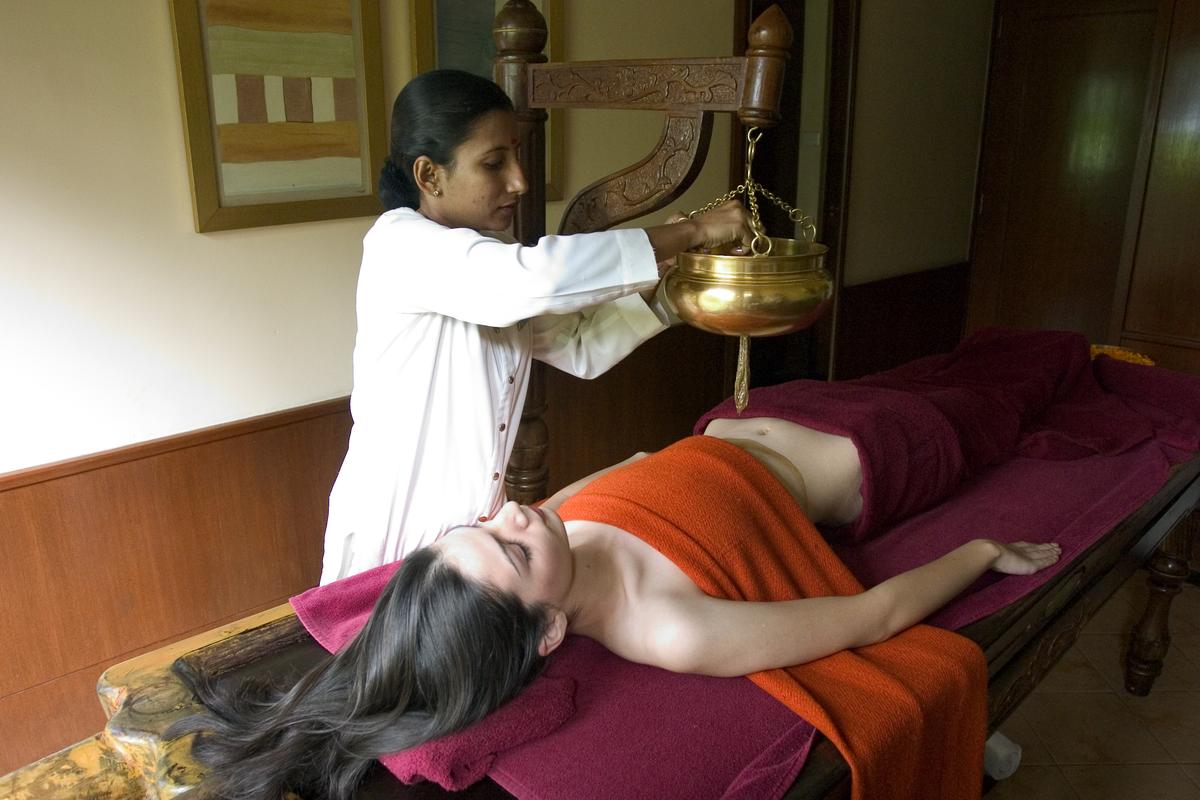
Therapy session at Ananda in the Himalayas
| Photo Credit:
Ananda in the Himalayas
At Ananda, this care takes the form of structured Ayurvedic programmes such as hormonal rebalance, fertility enhancement and menstrual health. These programmes combine personalised nutrition plans, lifestyle corrections, therapeutic Ayurvedic treatments and massages, addressing not isolated symptoms but systemic balance across the body and mind, while also supporting emotional wellbeing.
This shift is now cultural. Women are no longer waiting for crises to prioritise their health. In 2026, they will continue to reclaim time, space and wellbeing without guilt, speaking more openly about menstruation, fertility, perimenopause and menopause. In doing so, they are driving a quiet but significant transformation within households and communities.
Longevity goes mainstream
The mainstreaming of longevity is perhaps the clearest sign that wellness is becoming a daily requirement rather than an occasional reset. As urban routines disrupt circadian rhythms, compromise sleep, overstimulate the nervous system and create a constant state of low-grade inflammation, people are turning to therapies designed to restore physiological balance efficiently.
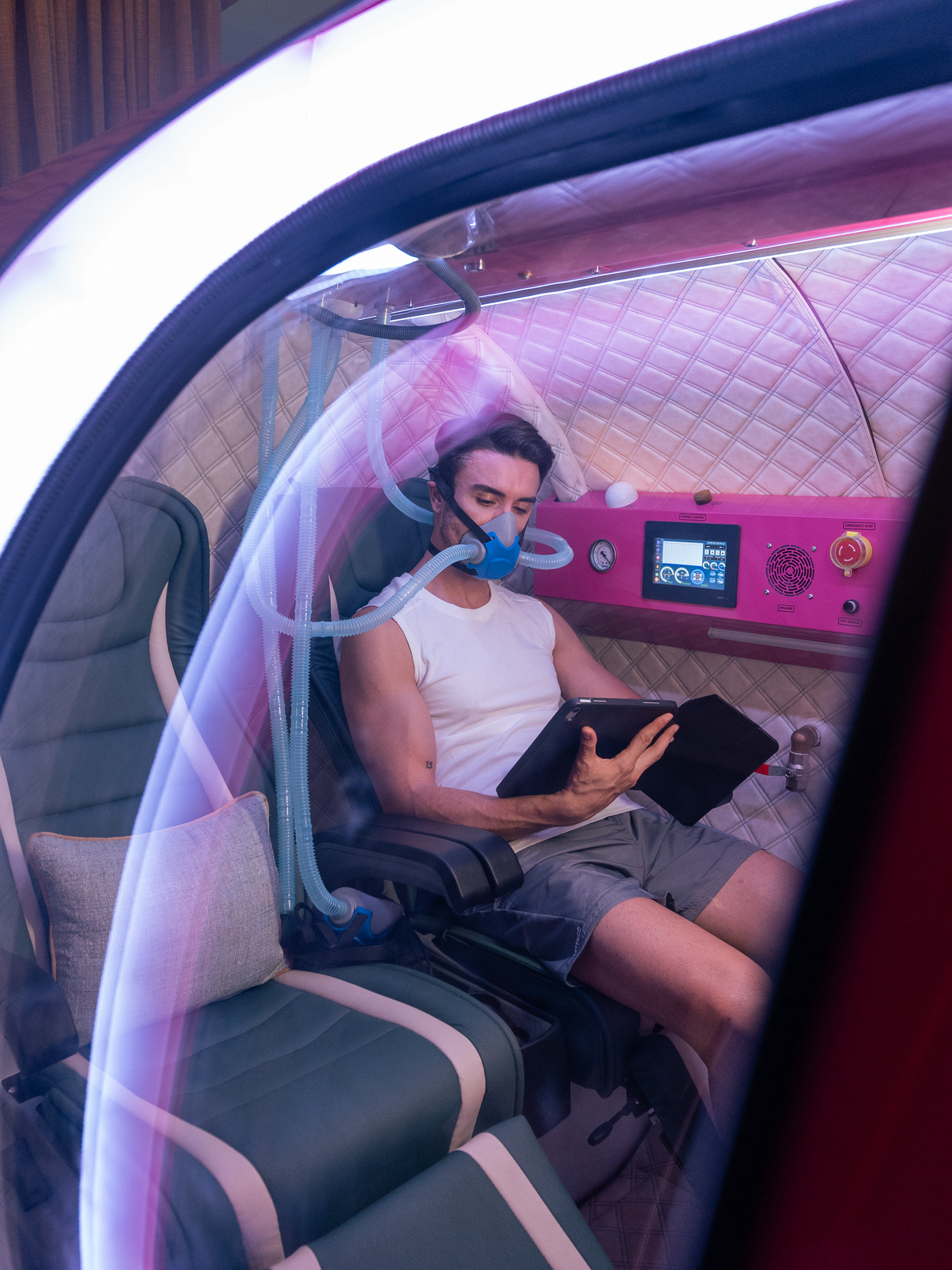
Hyperbaric oxygen hterapy at Fairmont Spa & Longevity
| Photo Credit:
Fairmont Mumbai
At Fairmont Mumbai, a luxury hotel located near Chhatrapati Shivaji Maharaj International Airport, longevity therapies are designed to feel efficient rather than intimidating. Cryotherapy takes place inside a temperature-controlled cold chamber, where guests step in for a brief session lasting a few minutes. The exposure triggers a cold-induced hormonal response that cuts through inflammation and mental fog, delivering a sharp sense of alertness without the prolonged discomfort people often associate with ice baths.
Hyperbaric oxygen therapy is administered in a pressurised chamber where guests breathe oxygen at higher-than-normal atmospheric pressure. The experience is calm and restorative rather than clinical, increasing oxygen delivery to tissues and supporting cellular repair and cognitive clarity in a world where shallow breathing and disrupted sleep have become default states.

Infrared sauna with halotherapy
| Photo Credit:
Fairmont Mumbai
Red-light therapy is offered as a full-body experience, allowing light wavelengths to penetrate muscle tissue and skin more comprehensively, stimulating mitochondrial activity — the body’s energy centre — and helping with persistent fatigue. Intermittent vacuum therapy addresses poor circulation caused by long hours of sitting, using controlled pressure changes around the lower body to encourage blood flow and lymphatic drainage.
As Rashmi Ambastha, Director of Spa, Wellness and Recreation at Fairmont Mumbai, puts it, “Longevity-focused wellness is less about momentary comfort and more about improving biological resilience over time.” The future of this trend lies in continuity: memberships that support weekly recovery, staycation formats centred on restorative work, and programmes that position longevity as routine rather than reward.
Wellness as everyday practice: urban sanctuaries take root
Another major shift is the rise of urban wellness centres, especially in cities like Mumbai — intimate, contemplative spaces that help city-dwellers regulate their emotional lives. Mira Kapoor’s Dhun Wellness in Mumbai’s Bandra and the recently opened AUM Life in Worli are prime examples of this shift. Digital saturation, fractured families, dual-working households and relentless competitiveness have quietly reshaped mental health in India.
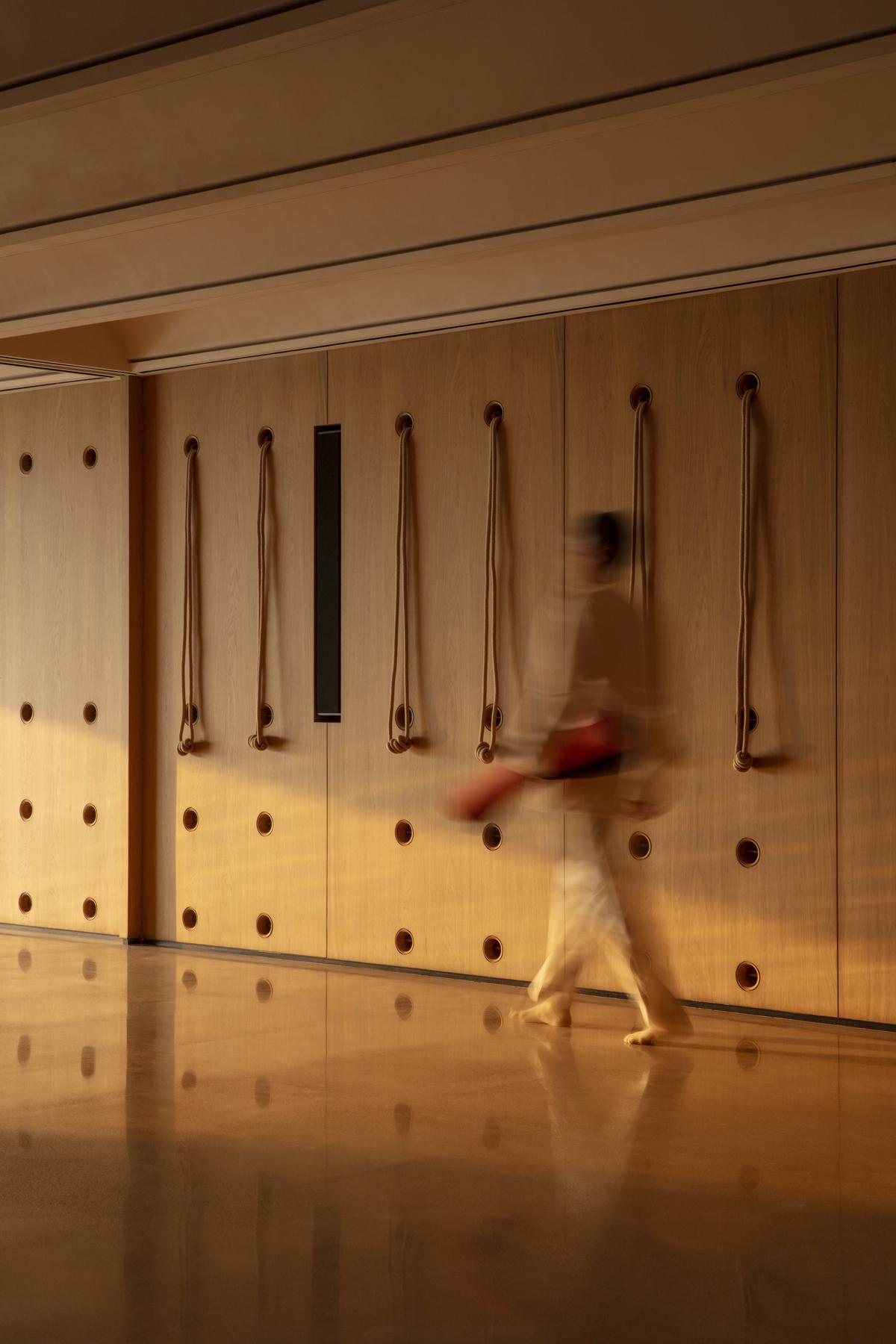
Inside AUM Life
| Photo Credit:
Pankaj Anand
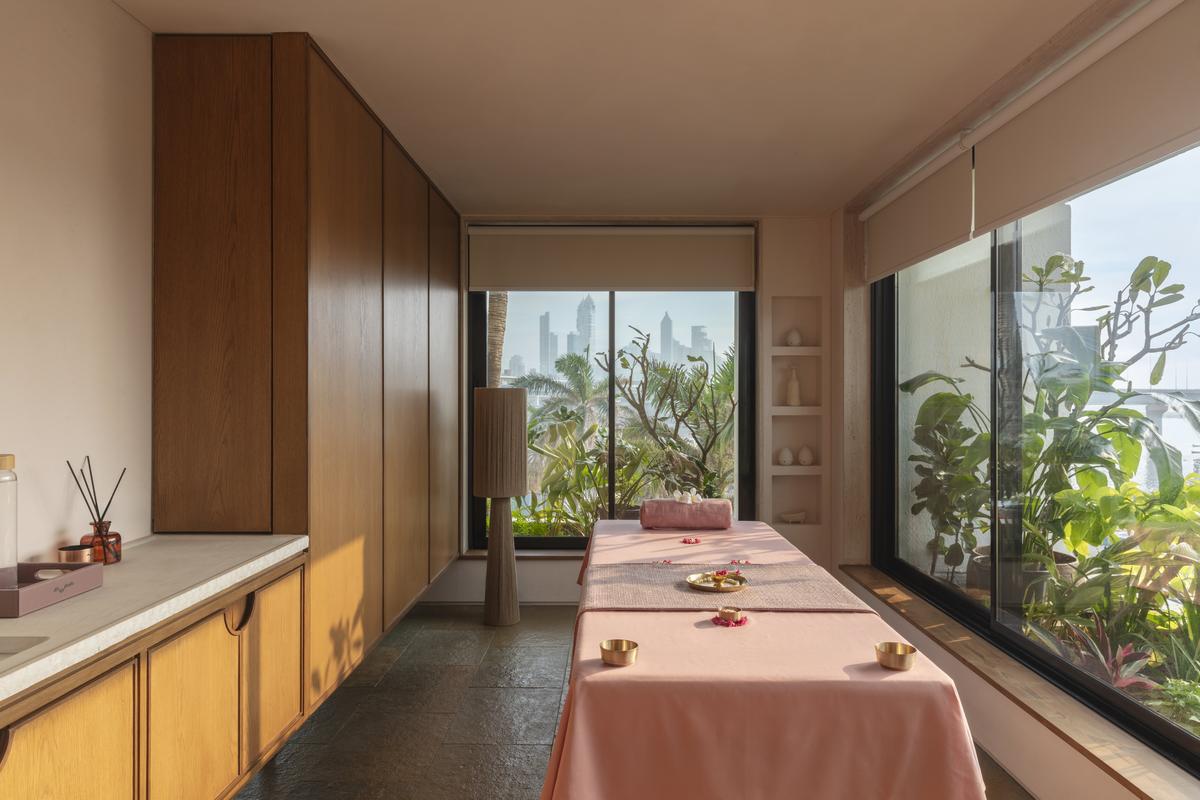
Inside AUM Life
| Photo Credit:
Pankaj Anand
Richa Agrawal, founder of AUM Life, observes, “The rapid growth of urban wellness centres is being driven by a fundamental shift in how people are prioritising their lives. With increasing professional pressures, digital overload, and sustained mental fatigue, there is a growing need for spaces that support emotional, psychological, and holistic well-being.” Crucially, accessibility today is no longer just about cost or proximity. It is about translating ancient knowledge — breathwork, meditation, yoga and introspective practices — into forms that feel relatable and sustainable for everyday urban life. People are no longer drawn to intimidating philosophies; they want gentle, effective practices that help them feel less reactive, more self-aware and emotionally anchored.
Meera Shah, a communications professional who lives in Santacruz, visits Dhun Wellness twice a week before heading to her office in Bandra. “It’s become part of how I manage my week,” she says. “I come here early, do a yoga-and-meditation session, and then go straight to work. I’m not looking for a big spiritual experience. I just notice that I’m calmer. It’s subtle, but it changes how the rest of my day unfolds.”
Wellness festivals
Wellness today is no longer confined to solitude. While some still seek retreat-style isolation, others are gravitating towards communal formats that blend joy, connection and inner work. Wellbeing-led festivals are emerging as powerful spaces for social healing, particularly in a time marked by loneliness, digital fatigue and emotional disconnection.
At the heart of this shift are thoughtfully curated programmes. As Himanshu Jakhar, founder of the Belong Festival, a three-day festival designed to celebrate the joys of friendship, personal growth, and wellbeing, and whose first edition was held in Jaisalmer in November, explains, the daytime schedule featured “a range of sessions and workshops — from breathwork and sound healing to yoga and movement. There were also acoustic sets and live bands, designed to help participants slow down and drop more deeply into their inward journey.” Several workshops focussed on connection, alongside practices centred on meditation and mindfulness, creating a rhythm that balanced introspection with shared experience.
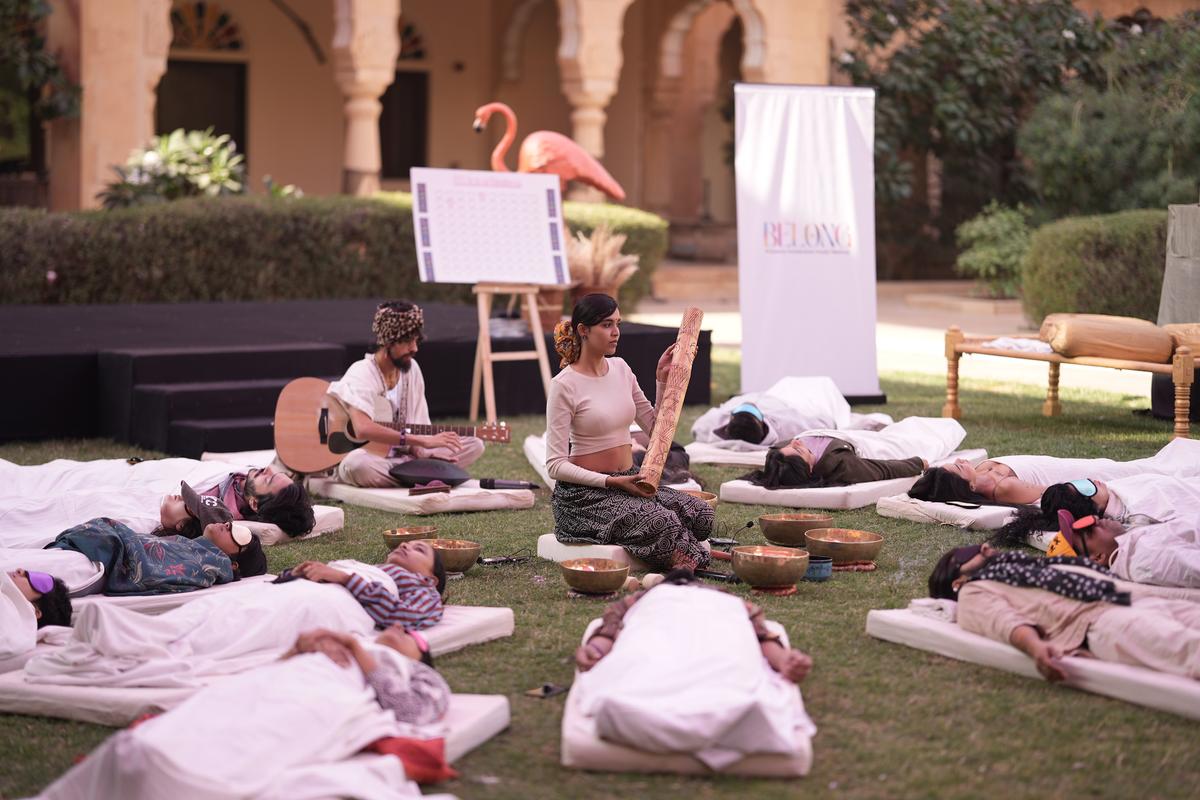
Session in progress at Belong Festival
| Photo Credit:
Belong Festival
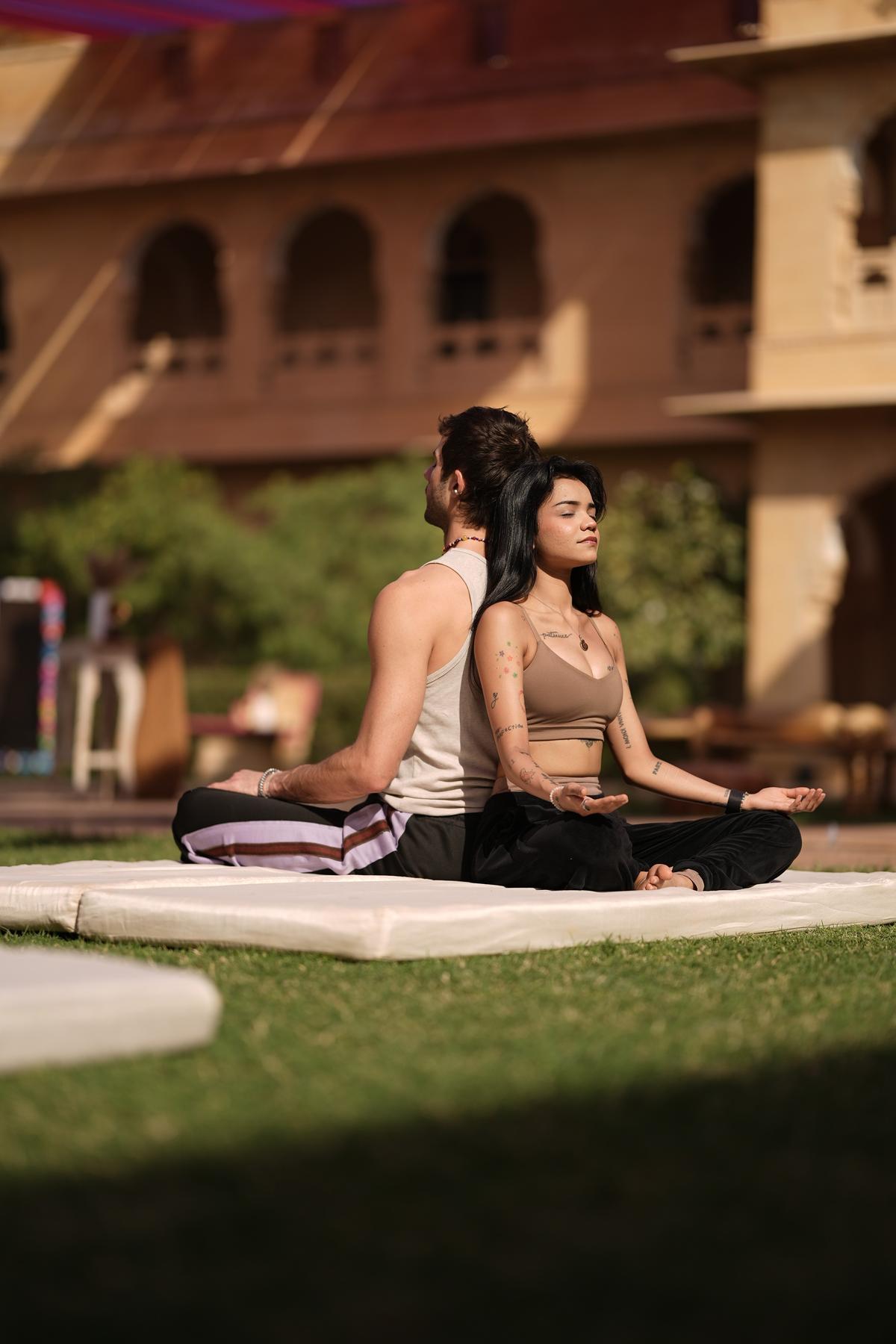
Belong Festival
The experience was intentionally intimate. While applications ran into the thousands, invitations were extended to just 100–110 participants, reinforcing the festival’s emphasis on curation and meaningful interaction. That sense of closeness was felt deeply by attendees. “I spent two days at the festival,” says Goa-based marketing professional Insia Lacewalla, “and experienced everything from an intense breathwork session that slipped me into a peaceful, alert trance, to workshops that invited childlike play, movement, surrender and reflection. Each experience steadily peeled away inhibition and control.” She adds that, as a facilitator, she found herself forming intimate micro-communities with strangers through shared voices, candid conversations and moments of collective vulnerability. “We smiled, spoke, and sometimes cried together.”
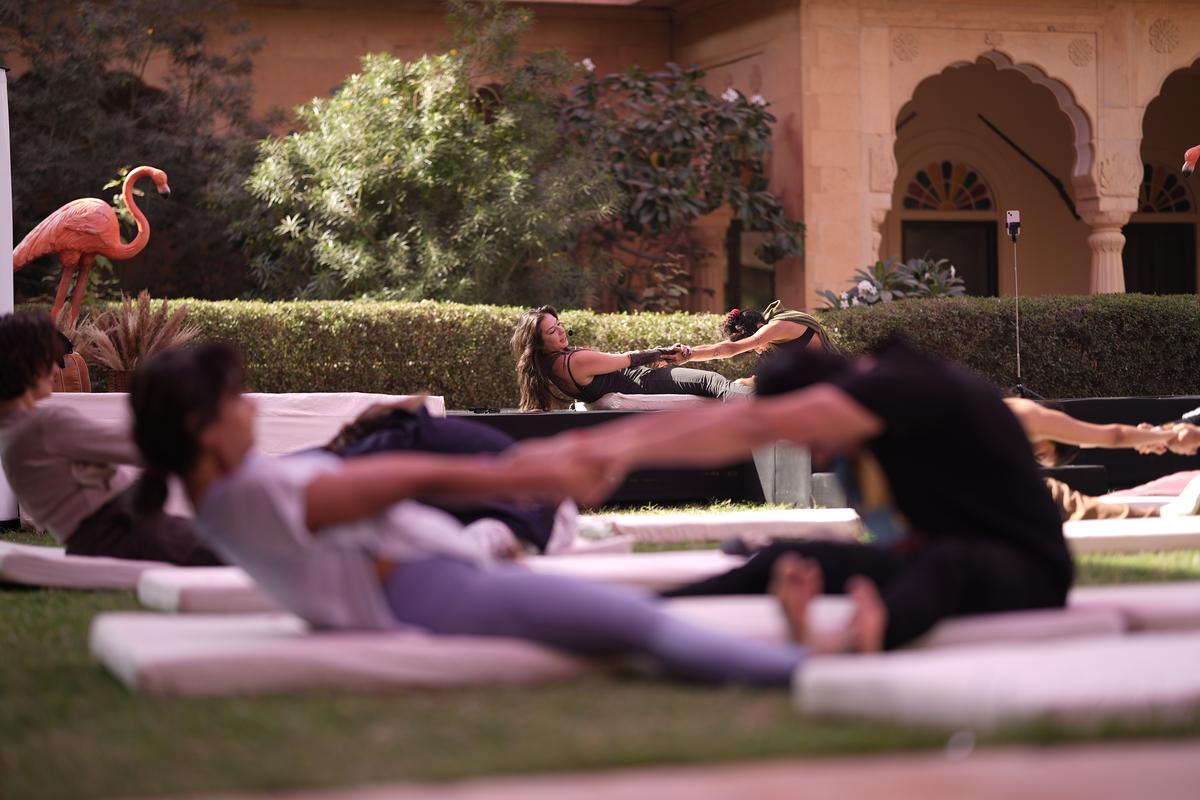
Community and wellness at Belong Festival
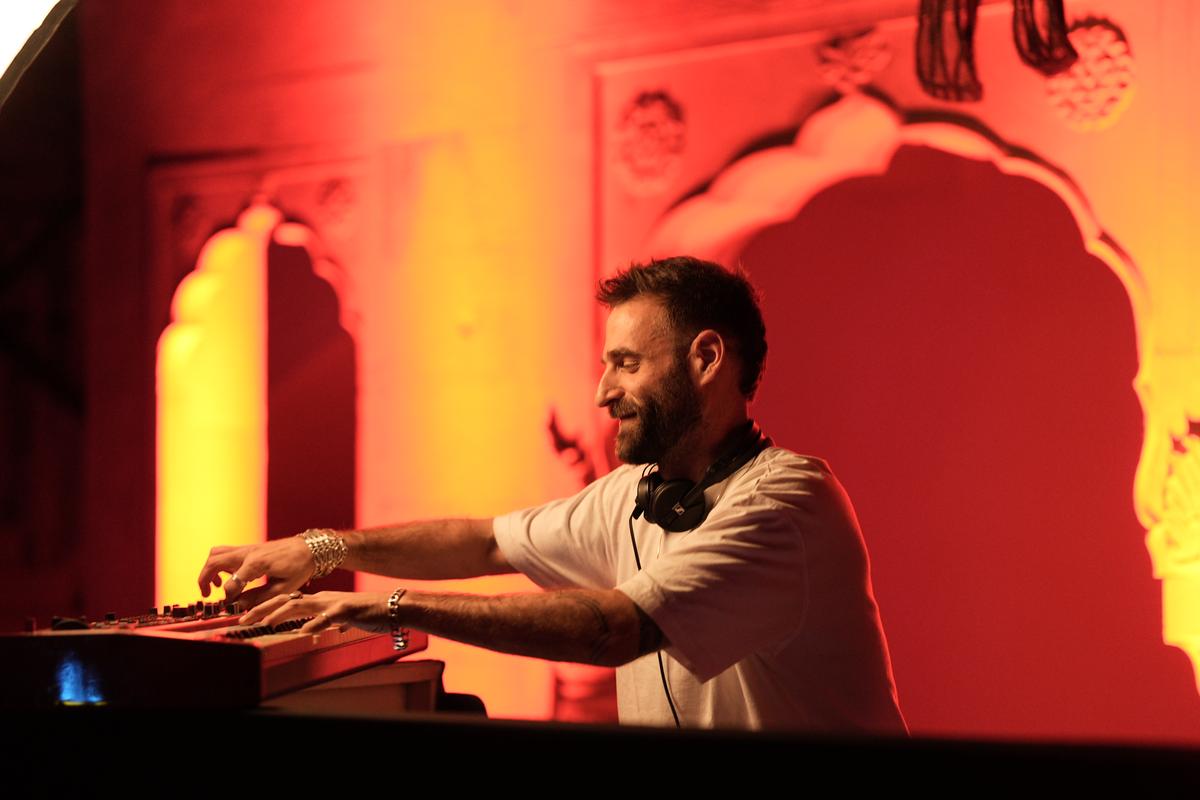
Music and wellness comes together at Belong Festival
| Photo Credit:
Belong Festival
The rise of rituals: when the spa comes to you
A transformative trend emerging in hospitality is the shift toward deeply personal, in-room rituals that prioritise rest and nervous-system repair. This movement is gaining momentum because it recognises something fundamental: people increasingly crave private, unhurried forms of care that do not require navigating spa schedules, public spaces or social performance.
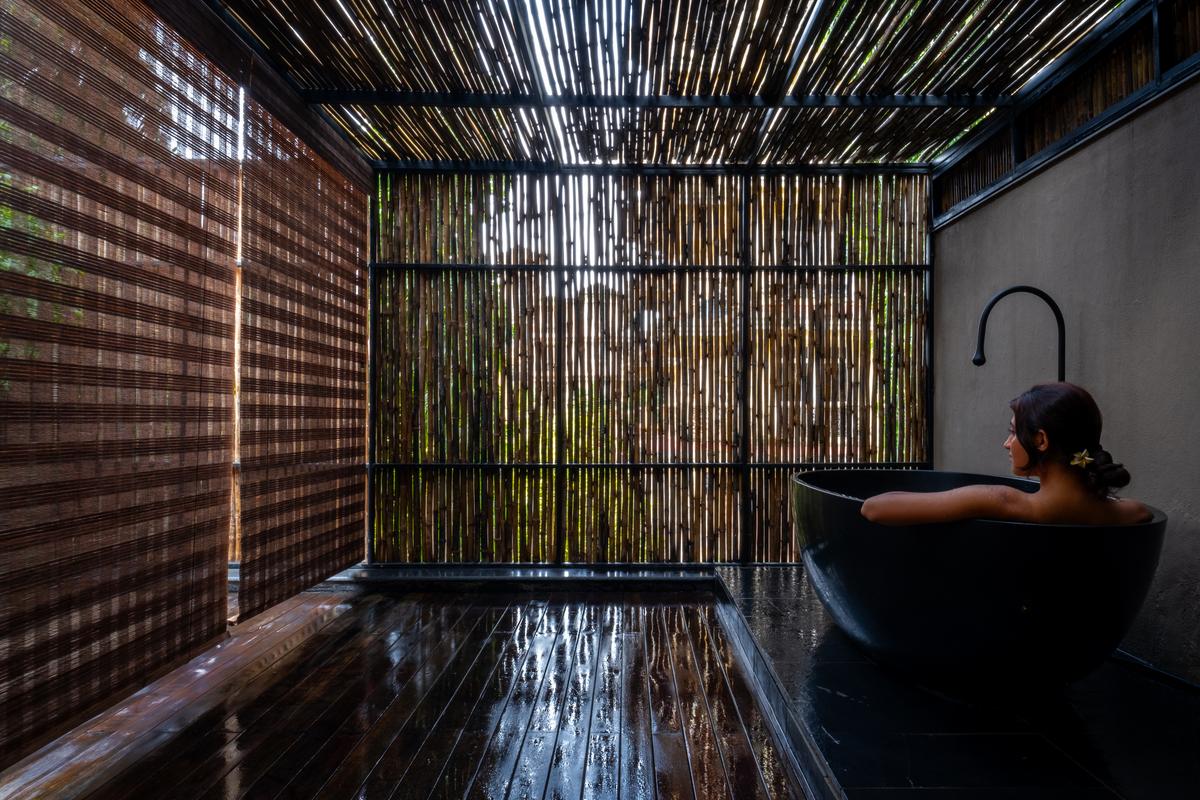
The bathing ritual at Amaraanth
At Amaraanth in South Goa, this trend takes a distinct shape. For the first time, the spa experience is brought directly into the guest’s room — not as a convenience but as a deliberate reimagining of intimacy and restoration. What begins as a dry massage, done seated and tailored to the guest’s comfort, flows seamlessly into a bathing ritual set in an outdoor space surrounded by thick greenery. The setting itself becomes part of the treatment: a large stone bathtub, open skies, the quiet hum of plants, and the sensory privacy that hotels rarely offer.
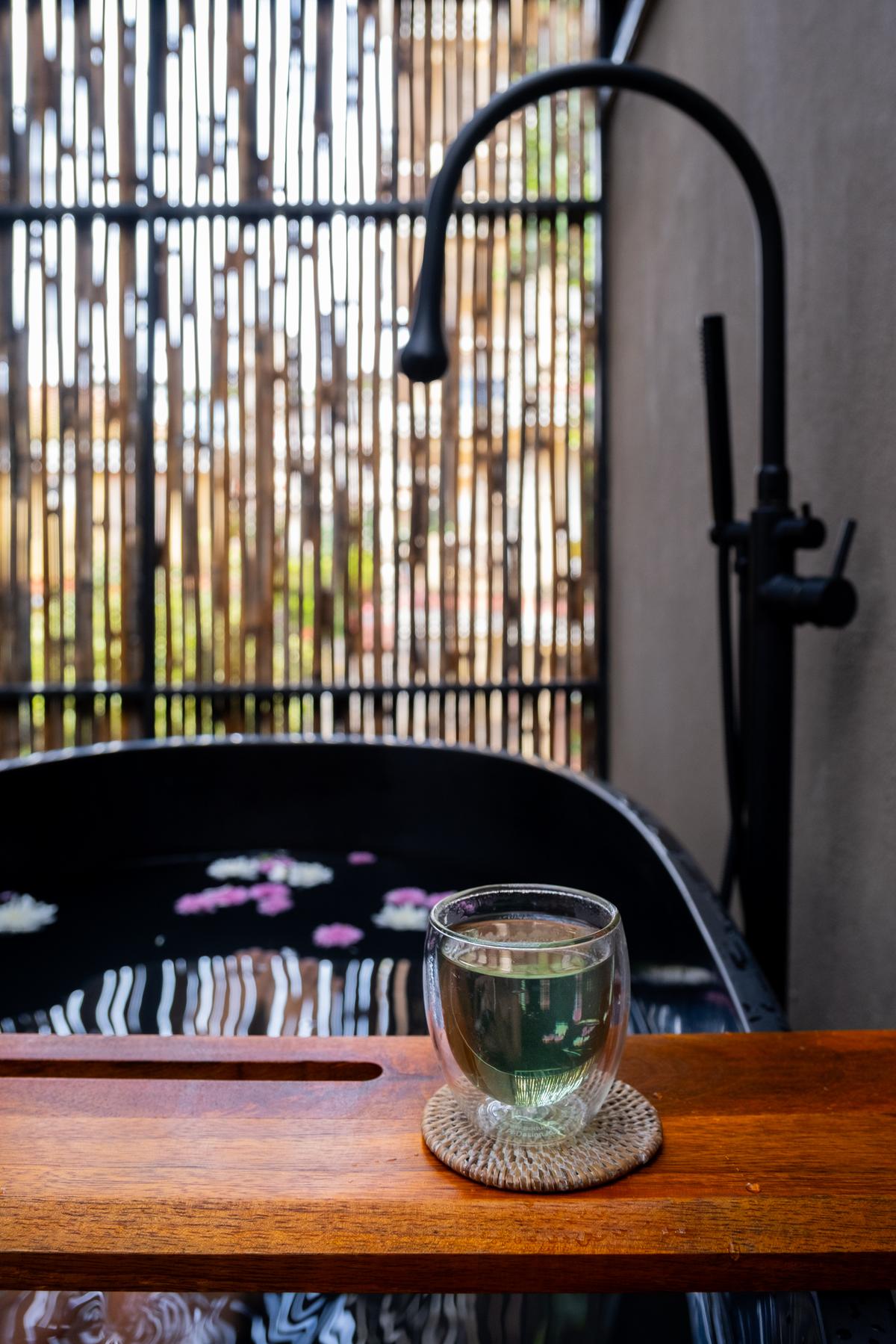
The ritual is meticulously personalised. Guests are invited to choose their preferred bathing salts, essential oil blends and even the type of tea they would like to sip — usually from a set of three or four infusions. The therapist prepares the tub, infuses the salts, adjusts temperature, and builds an atmosphere where the body can soften and the mind can slow down without interruption.
This is where the collaboration with The HVN in Knightsbridge in London becomes important. Their grounding in Shinrin Yoku, or Japanese forest bathing, and their integrative wellness philosophy inform the structure of this ritual. The HVN’s emphasis on warm-water immersion, salt therapy and essential oils for nervous-system regulation is translated into a format that is quiet and contemplative. The result is a ritual that supports circulation, reduces inflammation, eases muscular tension and offers a deep emotional calm that many guests describe as the closest thing to a reset.
Return to roots: foraging, soil-to-skin and ecological intelligence
As global wellness pivots toward technology, India is seeing a counter-movement rooted in tactility, ecology and place. Hyper-local, foraged and seasonally aligned treatments are emerging as a marker of authenticity. This mirrors how foraging first reshaped food culture — from chefs seeking indigenous ingredients to mixologists creating forest-led cocktails. Now, that same curiosity about provenance is entering the world of wellness.

Yoga at Aramness Gir
| Photo Credit:
Ankit Mavchi
Increasingly, guests want to know not just what goes into their treatment but where it comes from, how it was grown and why it supports the body in specific ways. They are asking deeper questions about hibiscus and its cooling properties, sesame and castor for grounding, or tulsi for stress regulation. The more fragmented modern life becomes, the more people seem to crave rituals anchored in the logic of landscape.
Aramness Gir, in Gujarat, has also opened the door to participatory forms of wellness. While not everyone will want to forage — and it is not feasible for every guest — there is a clear and growing segment seeking immersive, educational experiences that allow them to walk the land, identify botanicals and understand how seasonality affects potency. Just as food enthusiasts embraced farm-to-table dining, wellness seekers are beginning to pursue soil-to-skin therapies. The notion of customising a ritual based on herbs gathered from the property, even if guided, feels both intimate and empowering.
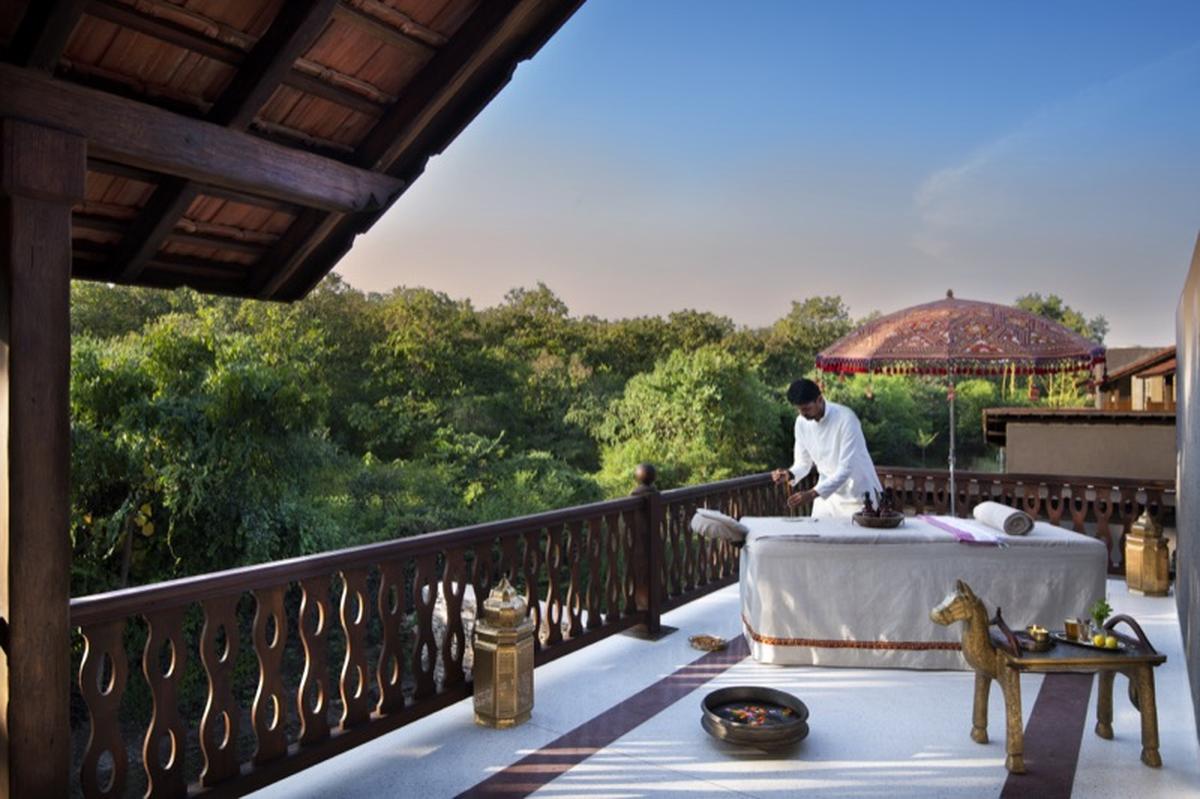
Outdoor spa
| Photo Credit:
Aramness
Rafeek Jabbar, wellness director at Aramness Gir, a boutique lodge bordering the Sasan Gir Park in Gujarat, observes: “The nature-led approach is resonating now because guests are seeking authenticity in an increasingly synthetic world. When you receive a treatment crafted from the very land beneath your feet, something ineffable happens.”
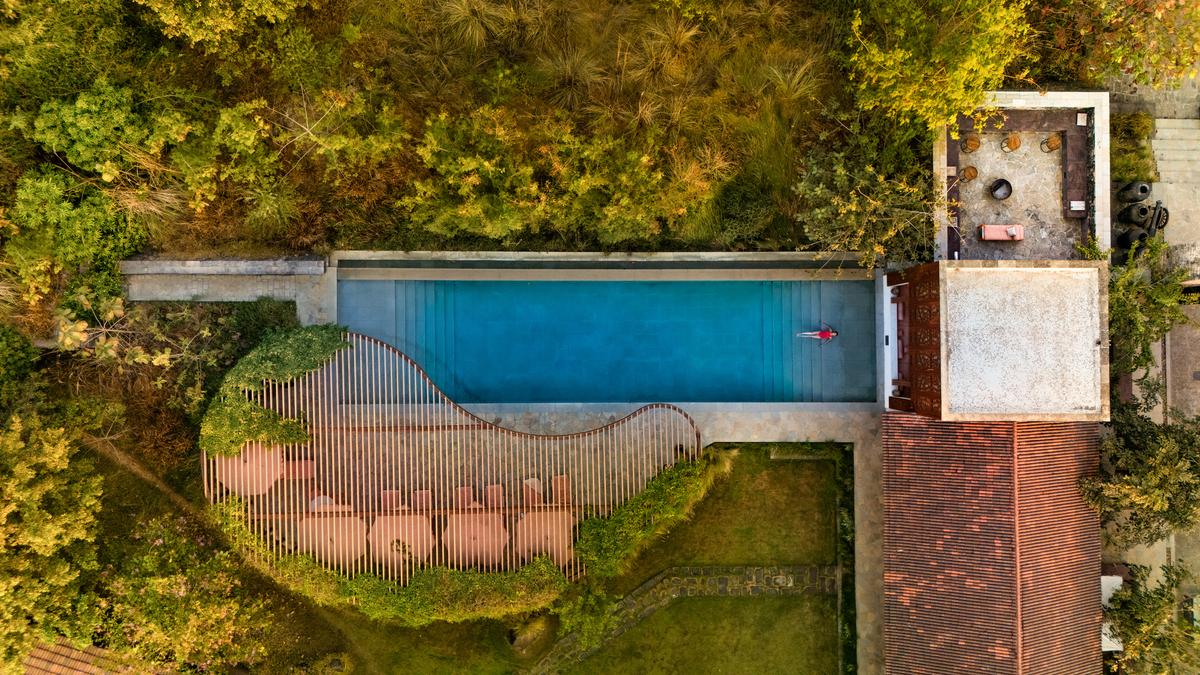
At Aramness
| Photo Credit:
Aramness
This movement is grounded in ecological respect: ethical harvesting, regenerative gardens and ingredient cycles aligned with local seasons. At Aramness, guests often join plant-identification walks, learning about the botanicals that later appear in their treatments. Understanding the soil, the climate and the life cycle of these plants creates a sense of relationship rather than consumption.
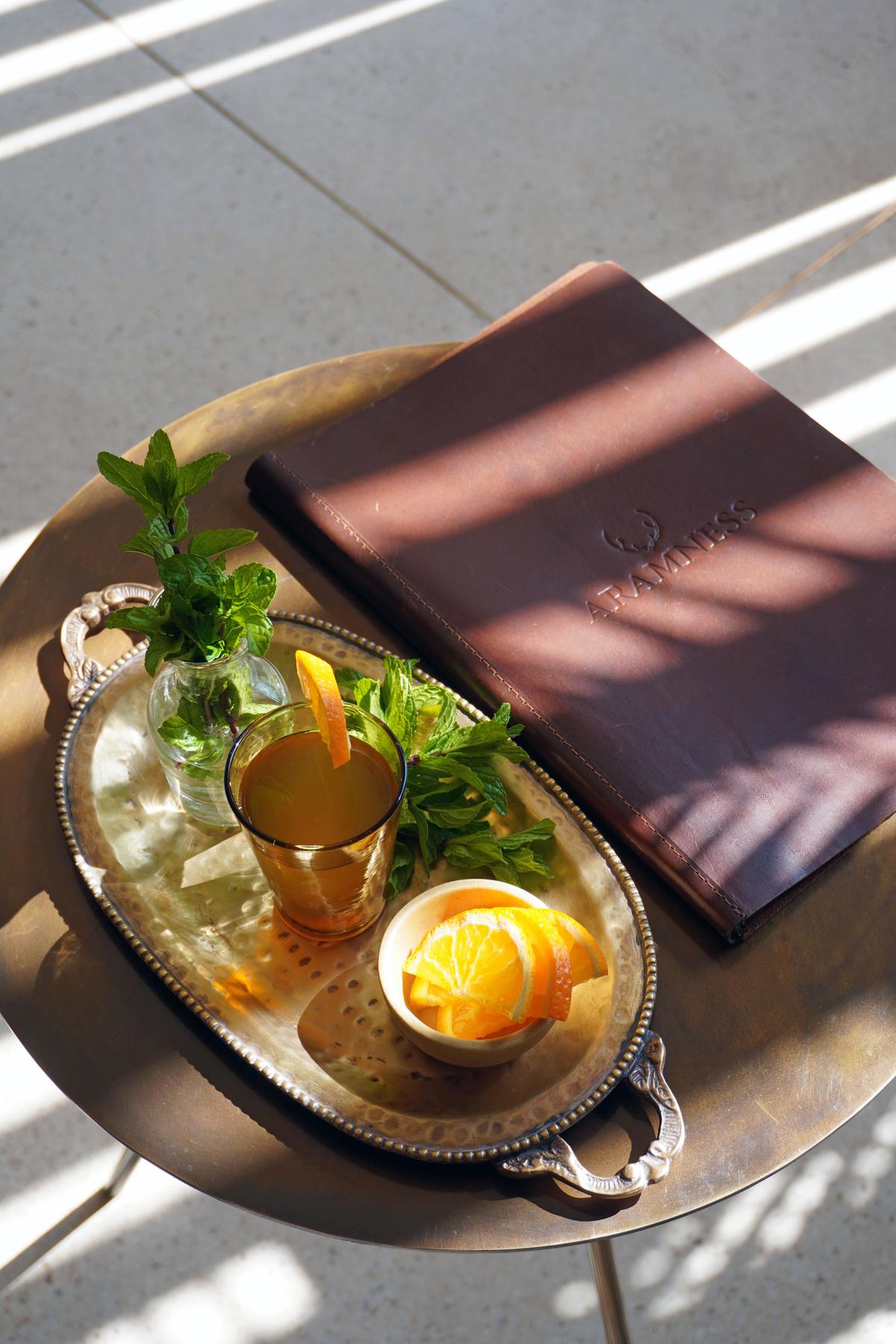
Pre-spa detox drink
| Photo Credit:
Aramness
“Rootedness will define authentic wellness in 2026. When wellness is extracted from its place, it loses potency. When it’s rooted, it becomes transformative,” says Rafeek. As climate debates intensify, nature-led wellness is becoming a philosophy rather than a trend.
At its core, this moment in India’s wellness journey is not about doing more, but about remembering differently. Remembering that the body is not a machine to be optimised endlessly, but a system that needs rhythm, care and pause. Remembering that healing is not always visible, but often cumulative and deeply personal. And remembering that wellness, when stripped of aspiration, is simply the practice of paying attention — to breath, to land, to relationships, to the self. As these shifts take root, they suggest a future where wellbeing is no longer something we escape to, but something we return to, again and again, in the midst of everyday life.