

The story so far:
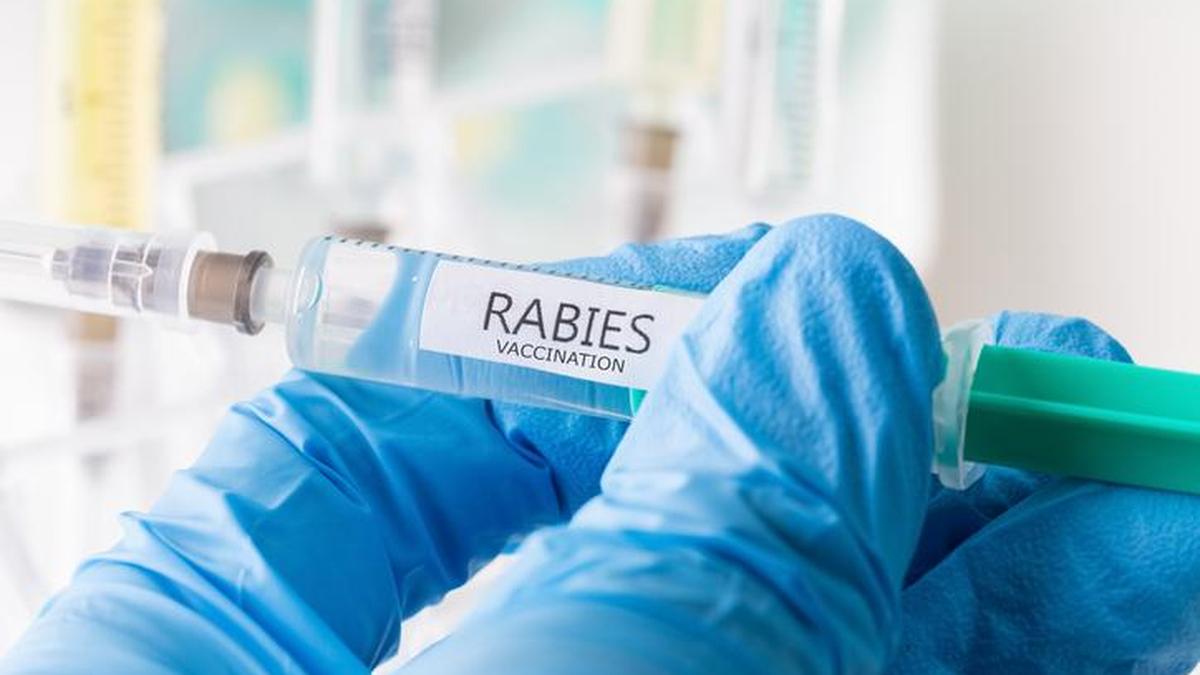
The Australian Technical Advisory Group on Immunisation and Centers for Disease Control and Prevention, U.S., issued a health warning late last year about counterfeit human anti-rabies vaccine Abhayrab available in India and in circulation since November 1, 2023. The warning came after rabies cases were seen in travellers from India.
What did the CDC flag?
In its November 25, 2025 travel notice, the CDC said that a counterfeit Abhayrab vaccine for humans has reportedly been circulating in major cities in the country (India) and that this could be both harmful and fail to prevent rabies. Australia maintained that its travellers who had been administered Abhayrab in India after November 1, 2023, should consider the vaccination invalid and initiate a new course of vaccination.

What did the manufacturer say?
On December 27, 2025, Indian Immunologicals Limited (IIL), one of India’s leading vaccine manufacturers, which produces Abhayrab, said a counterfeit batch of its human anti-rabies vaccine, Abhayrab, was no longer available on the shelves. “The counterfeiting incident involving Abhayrab batch no. KA24014 (manufacturing date: March 2024; expiry date: February 2027) was identified by early January 2025. The company immediately notified Indian regulators and law enforcement agencies, lodged a formal complaint, and worked closely with authorities to ensure swift action.”
Sunil Tiwari, vice-president and head of quality management at IIL, added that every batch of the vaccine manufactured in India is tested and released by the National Control Laboratory (Central Drugs Laboratory), which is a WHO-Geneva pre-qualified laboratory under the National Regulatory Authority.
Rabies: The cruel and expensive disease of India’s most impoverished
What is the protocol to be followed?
If patients suspect that they have received a counterfeit vaccine, the primary protocol is to consult a healthcare provider to determine if replacement doses of a verified, authentic vaccine are needed. The primary principle to be followed is not to assume that you are protected. According to Tushar Tayal, associate director, Internal Medicine, CK Birla Hospital, Gurugram, “Repeat rabies vaccination is allowed and safe. The rabies vaccine is an inactivated vaccine, and as such, it does not contain a live virus. It, therefore, becomes safe to be given repeatedly if required. Revaccination is allowed by the health institutions in situations of suspected vaccine effectiveness or exposure.”
Doctors add that protocol for rabies revaccination occurs when previous vaccination is considered uncertain or inadequate. “If previous inoculations are received from an unknown or suspected source or has not been properly stored or documented, the person is not adequately protected,” added Dr. Tayal.
He explained that following exposure from a bite or exposure as suspected, a complete series of post-exposure prophylaxis is administered. “Revaccination is recommended whenever there is a question of vaccine quality, authenticity, or schedule compliance. In cases where there are doubts about vaccine authenticity, inappropriate dosages, lack of cold chain maintenance, or lack of records, revaccination is recommended,” he said.
Doctors add that if a previously vaccinated individual faces fresh exposure with doubts about his/her immunity status, then repeating the dose is advisable. In cases where an immunocompromised person faces a situation where his/her immunity is inadequate, that person might need to be revaccinated. As a life-threatening disease, any question regarding ensuring immunity makes revaccination necessary.
What is the rabies revaccination regimen?
Without a valid vaccination, a person is considered to be previously unvaccinated and needs a full regimen — usually administered on days 0, 3, 7, 14, and 28. Rabies immunoglobulin should be administered in cases of severe exposure. But if a person has been vaccinated previously and there is proper documentation of the same, then only booster doses are needed.
How is India positioned in terms of rabies incidence and control?
The World Health Organization notes that India is endemic for rabies, and accounts for 36% of the world’s rabies deaths. The true burden of rabies in India is not fully known; although, as per available information, it causes 18,000-20,000 deaths every year. About 30-60% of reported rabies cases and deaths in India occur in children under the age of 15 years, as bites that occur in children often go unrecognised and unreported.
Rabies deaths in humans are 100% preventable through prompt and appropriate medical care. Vaccinating dogs is the most cost-effective strategy for preventing rabies in people.
India has implemented the National Rabies Control Programme and the joint National Action Plan for Rabies Elimination to achieve the goal of eliminating dog-mediated rabies by 2030.
The WHO and its global partners aim at ending human deaths from dog-mediated rabies through a comprehensive One Health approach promoting mass dog vaccination, ensuring access to PEP, health worker training, improved surveillance, and bite prevention through community awareness.
Published – January 04, 2026 05:26 am IST