
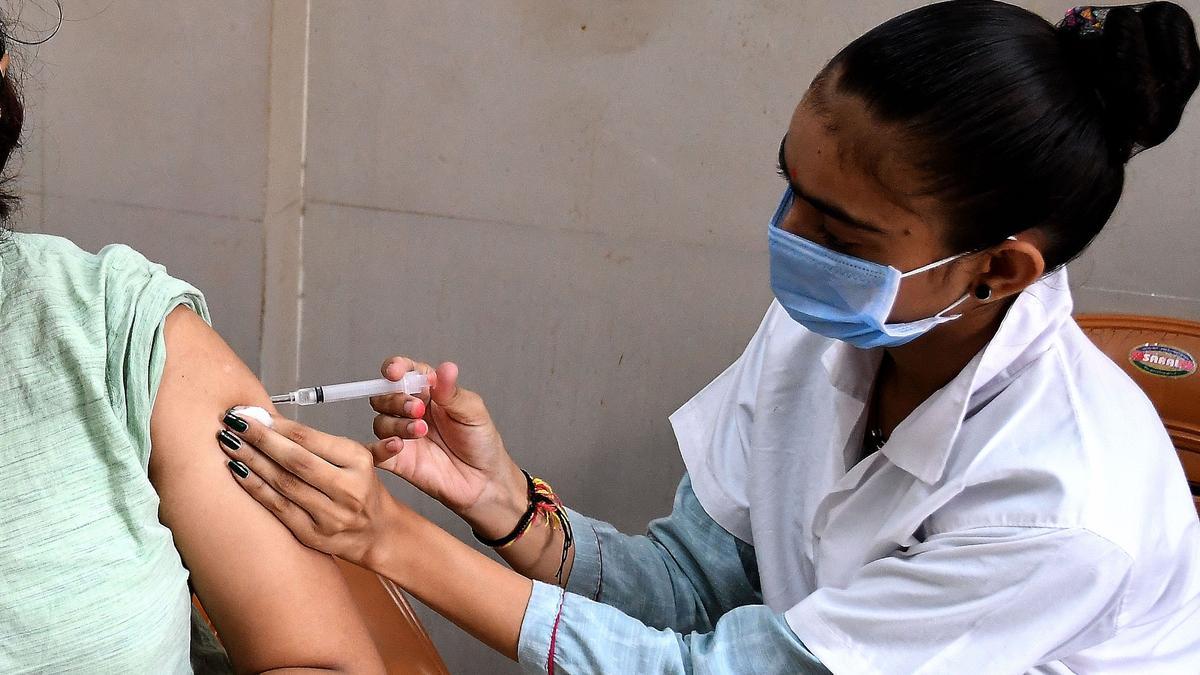

When 53-year-old M. A. Joseph, a retired sportsperson from Kerala, took the influenza vaccine, it was not on the advice of any Indian health authority or guidelines. Instead, it was something he picked up from his family abroad.
“I used to catch the flu almost every year, and my family abroad insisted that it was because I wasn’t taking the seasonal flu vaccine. Initially, I thought vaccines were only for children or people travelling abroad, but I gave it a try,” he says. Mr. Joseph says he has avoided major bouts of flu since, saving money on over-the-counter medicines and visits to the doctor. “It has made a big difference. I started encouraging my friends to take it too. But many don’t even know that such vaccines are available here.”
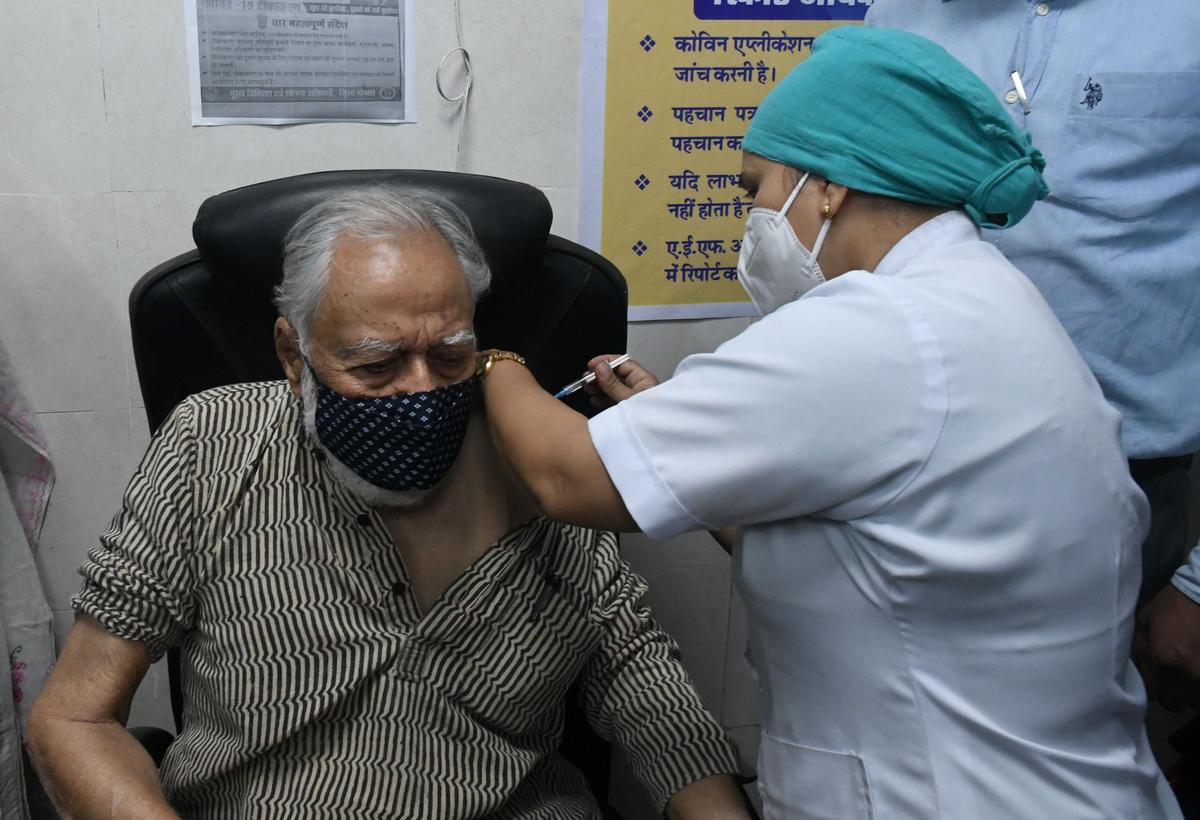
Adult vaccination could drastically reduce hospital admissions among older people, particularly for respiratory infections, pneumonia, and shingles |Photograph used for representational purpose only
| Photo Credit:
A. M. FARUQUI
Mr. Joseph’s case underscores the broader challenges in India’s adult vaccination landscape where awareness is minimal, access is limited, and guidelines are lacking. While India has one of the most comprehensive childhood immunisation programmes in the world, adult vaccination remains a neglected chapter.

Lack of immunisation drives
According to the National Centre for Disease Control, Directorate General of Health Services, Government of India, the number of HBsAg carriers (individuals who persistently have the Hepatitis B surface antigen (HBsAg) in their blood, indicating a chronic infection with the Hepatitis B virus (HBV) has been estimated to be over 40 million. Around 22,05, 286 deaths annually are linked to chronic hepatitis in India.
Jino Joy, consultant geriatrician, Medical Trust Hospital, Kochi, says a major challenge to control this sort of disease prevalence is the lack of adult immunisation drives. “Wherever geriatric care is actively practiced, adult vaccination becomes a regular part of that framework,” he explains.
He notes that in countries where geriatrics is well-developed, every visit often includes a discussion about immunisation. “In India, unfortunately, geriatric care is still emerging. And adult vaccination is rarely brought up. People don’t even know what vaccines they need after childhood.”
Dr. Joy stresses the need for a more institutionalised approach. “We don’t have a standalone set of national adult vaccination guidelines, and that causes inconsistency. Most of the time, even doctors don’t suggest vaccines unless it is related to travel or a specific medical procedure.” He also pointed out that adult vaccination could drastically reduce hospital admissions among older people, particularly for respiratory infections, pneumonia, and shingles. “There is a lot we can prevent, but only if we integrate vaccination into routine geriatric care,” he says.

The insurance factor
One major challenge, Dr. Joy emphasises is the lack of insurance coverage for adult vaccines. “Even those who want to get vaccinated often back out because it is an out-of-pocket expense. None of the standard insurance policies cover adult immunisations, unless they are part of a specific treatment plan. This discourages a lot of people from taking preventive action,” he says.
Dr. Joy also adds that promoting adult vaccination makes financial sense, not just for patients but for the healthcare system and insurers. “If more people are vaccinated, fewer hospitalisations are required for vaccine-preventable diseases. That means reduced costs for both families and insurance companies. Including vaccines in insurance packages is not just ethical, it is economically sound,” he says.
He urges policymakers to look at global best practices. “We need to replicate what works – whether it is having a reminder system, a national chart, or vaccine cards for adults. It is not just about health. It is about dignity in ageing,” he says.

Misconceptions about vaccines
Varghese Louis, consultant pulmonologist, Medical Trust Hospital, Kochi, sees patients across all adult age groups. He has repeatedly found that most people assume vaccines are only for children. “I often hear things like, ‘Why do I need vaccines now? I’m not a kid.’ There is a perception that adult vaccination is unnecessary unless you’re planning to work or study abroad. That has to change,” he says. He points to the wide range of vaccines that adults should consider: influenza, pneumococcal, Hepatitis B, typhoid, MMR, DPT boosters, HPV, and in some cases, meningococcal and shingles vaccines.
Dr. Louis also sees a lot of misinformation among patients. Some people believe vaccines can cause allergies or even neurological damage. Others think it is too expensive and not worth the price. But they do not realise that getting hospitalised for pneumonia or hepatitis is far more expensive and dangerous, he says.
He hastens to add that immunity wanes over time. “The vaccines we take as children may no longer offer full protection. Adults, especially those with diabetes, cancer, heart issues, or other chronic conditions, need regular boosters.”
In his experience, a good starting point for government and health institutions would be to roll out targeted immunisation drives. “If we can’t implement the entire chart, at least focus on the elderly, immunocompromised, and people with chronic diseases,” he says.

Need for guidelines
Dr. Louis also stresses the need for proper vaccine guidelines. “We don’t have a dedicated adult immunisation roadmap,” he says. “While there are piecemeal recommendations, there is no single, standard protocol that general physicians or specialists across the country follow,” he says.
He also highlights that India currently does not have a standalone, comprehensive adult vaccination guideline and instead relies on recommendations from global bodies like the World Health Organization (WHO) and the United States Centers for Disease Control and Prevention (CDC). While the National Immunisation Programme primarily targets children and pregnant women, adult vaccines such as those for influenza, Hepatitis B, typhoid, pneumococcal infections, and HPV are administered on a case-by-case basis, often guided by physician discretion or professional body advisories.
This lack of a centralised national policy leads to inconsistent practices, low public awareness, and underutilisation of adult immunisation.
This lack of structure is also echoed by many patients, who find it difficult to even identify where they can get vaccinated. Hospitals do not always stock adult vaccines and there are no separate vaccination clinics for adults. Even at leading healthcare institutions, there is no structured adult immunisation counselling.
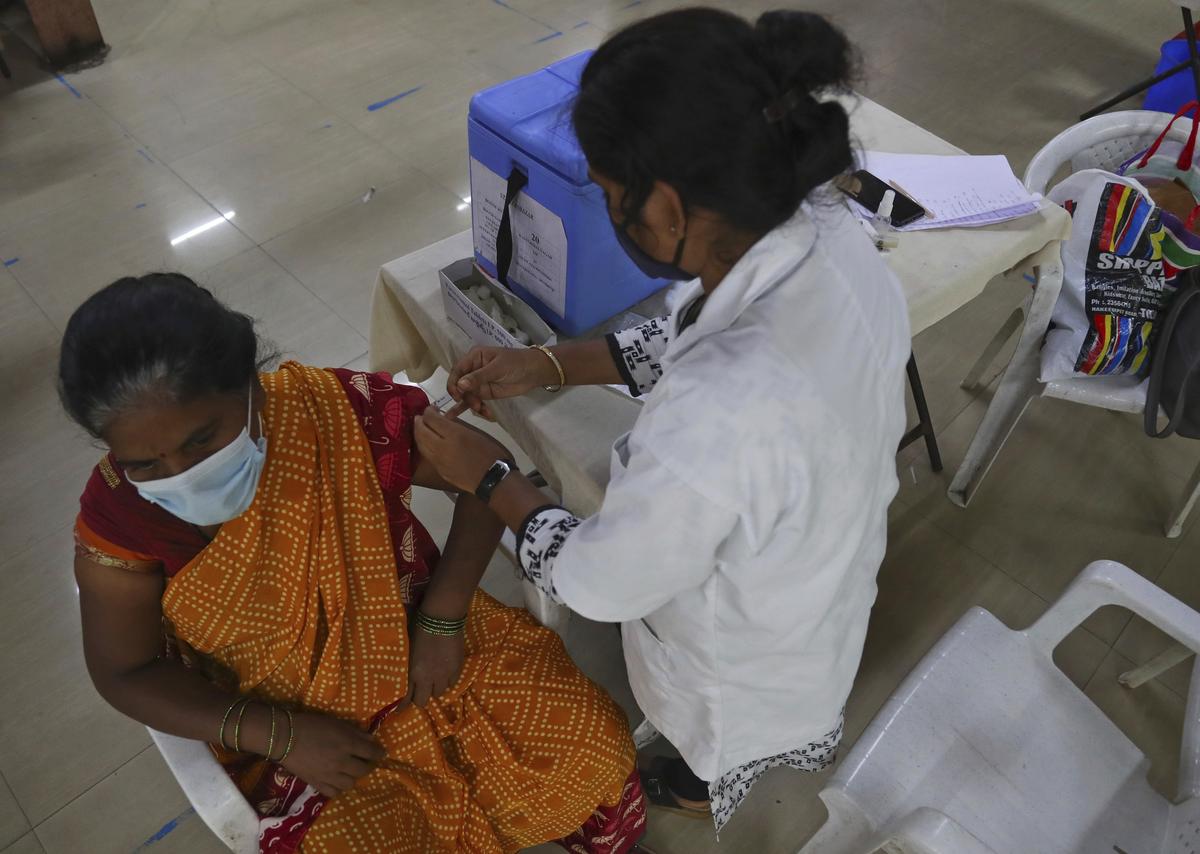
More standalone or hospital-attached adult vaccination clinics are needed for ease of access | Photograph used for representational purpose only
| Photo Credit:
AP
Dr. Louis believes that along with awareness, what India needs is a system of vaccine counselling, availability, and follow-up. “People get confused. Do I need one dose or two? Can I get it during monsoons? Can I take two vaccines together? We need professionals to guide them,” he adds.
Aishwarya Kammari, founder-physician at Dr. Vaccines, a clinic in Hyderabad, specialising in vaccinations for students, talks about the need for standalone adult and travel vaccination clinics. “Even among doctors, awareness is uneven,” she says.
She notes that many people do not have access to verified information. Some people get the wrong vaccine. Some skip it altogether. Many are shocked by the price difference in pharmacies. The clinic ensures all patients get a written prescription, with clear instructions, dosage, and timing.

The road ahead: preventive care
Dr. Aishwarya stresses that adult vaccination should be integrated into travel consultations, university pre-departure requirements, and corporate health checks. Many people only hear about vaccines when they need a yellow fever certificate, or a typhoid shot for travel. But that should be the starting point, not the only point, she says.
She says that companies and educational institutions should mandate or at least recommend certain vaccines as part of employee/student wellness. “Post-COVID especially, people are more receptive to the idea of vaccines. We must leverage that,” she adds.
Experts call for public awareness campaigns by the government and medical bodies, similar to childhood immunisation drives. A centralised, easy-to-follow adult immunisation schedule must be introduced and implemented across health institutions. Primary care physicians need to be trained to recommend and administer adult vaccines, as currently, this is mostly limited to specialists. Insurance policies must include adult vaccines in health packages to incentivise more people. More standalone or hospital-attached adult vaccination clinics are needed for ease of access.
Dr. Joy believes that normalising adult vaccines will take time but is urgent. “It has to become a habit, like taking a BP test. You go to your doctor, they check your vitals, and ask – are you up to date on your vaccines? That should be the norm,” he says.