

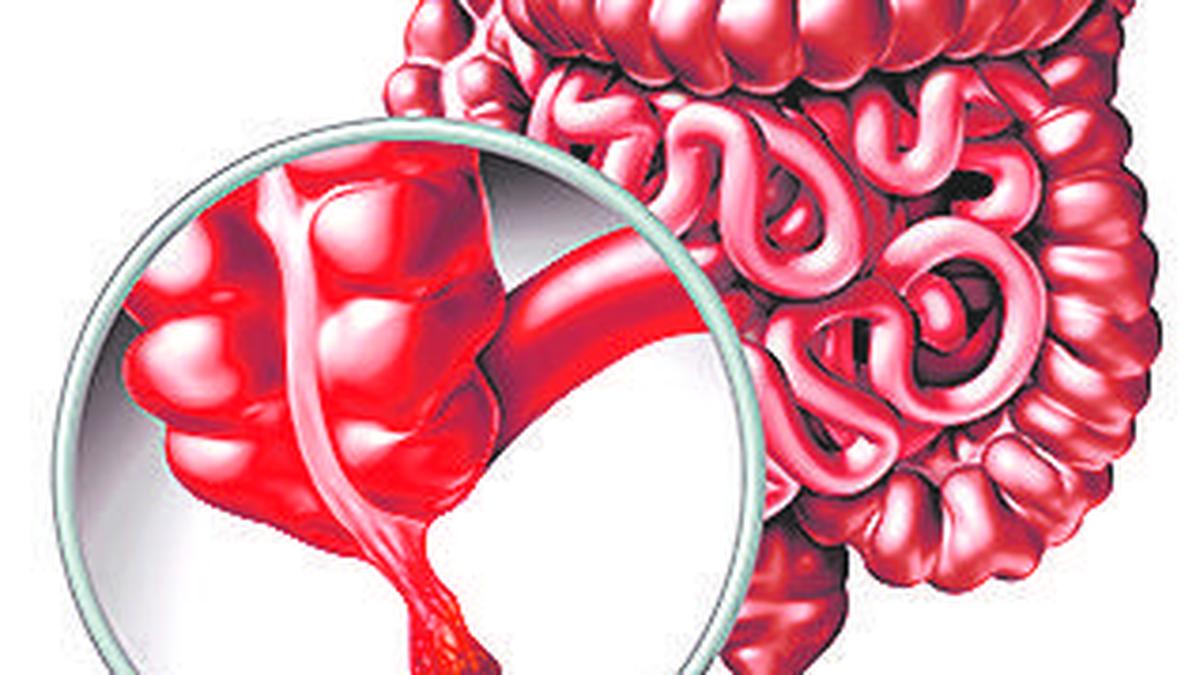

For decades, the human appendix was casually dismissed as a “useless” vestige. Modern research and clinical experience, however, suggest that this small, narrow pouch, attached to the cecum in the lower right abdomen, has a more nuanced role than once believed.
“The appendix is like a safe house for good bacteria, supporting the digestive system after illness,” says Sugi Subramaniam, senior consultant, surgical gastroenterology at SRM Global Hospitals, Chennai. Beyond this, it may influence the immune system, especially early in life, by exposing white blood cells to antigens in the digestive tract, he notes. Arunmozhi Varman, consultant for laparoscopic and robotic hernia surgery, Rela Hospitals, Chennai describes it as a lymphoid organ that helps the gut recover post-infection.
“Our ancestors may have needed the appendix more, when food cleanliness was uncertain, but even today, it quietly supports immunity. It’s a small, silent job, but not the appendix is not a piece of waste as we once assumed,” stresses J. Saravanan, senior consultant surgical gastroenterologist & robotic surgeon, VS Hospitals, Chennai.
Typically 7–10 cm long, the appendix varies in position and size, sometimes ranging from 2 cm to 20 cm. Gautham Krishnamurthy, senior consultant, surgical gastroenterologist, Apollo Hospitals, Chennai, adds that the appendix has historically been important for digesting raw, plant-based food. Today, it functions mainly as beneficial gut bacteria, protecting and aiding replenishment after disturbances such as diarrhoeal illnesses.

Recognising appendicitis
The appendix can become inflamed, causing appendicitis– a common surgical emergency. Classic symptoms include abdominal pain beginning near the belly button and shifting to the lower right side, accompanied by fever, nausea, vomiting, and loss of appetite. Siddharth D., consultant, minimally invasive surgery at SIMS Hospital, notes that acute appendicitis affects around 9% of the population, most commonly in their twenties and thirties.
Appendicitis is caused by an obstruction from hardened stools (faecolith), an infection, or rarely, tumors. Myths — such as fruit seeds causing appendicitis, or the condition resolving spontaneously — are incorrect. “Delay can lead to rupture, which is life-threatening,” warns Dr. Varman.

Treatment
Appendectomy is the definitive treatment. Minimally invasive options include laparoscopic or robotic surgery. “Most patients walk the same day and go home in a day or two,” Dr. Saravanan says. The procedure involves small keyhole incisions and camera guidance, though open surgery remains important for complicated cases.
In some cases, uncomplicated appendicitis can be managed with antibiotics. Dr. Subramaniam explains, “Non-surgical methods work initially, but there is a greater risk of recurrence. Surgery remains the standard, long-term solution.” Studies show about 70% of uncomplicated cases respond to antibiotics, but recurrence can reach 40% within a year, particularly in patients with appendicoliths or limited healthcare access, says Dr. Krishnamurthy.

Myths and misconceptions
Doctors often encounter several misconceptions about the appendix. Many believe it is completely useless, but while not essential for survival, the appendix does house beneficial bacteria and supports immunity. Another common myth is that removal of the appendix harms long-term health; in reality, most patients live normal lives without any dietary restrictions. As Dr. Arunmozhi Varman points out, “You can still enjoy pizza and biryani!”
Some people think appendicitis affects only young adults, but it can occur at any age, though early adulthood is most common. There is also a dangerous belief that home remedies or ignoring the pain will help; untreated appendicitis can rupture, leading to serious complications. Dr. J. Saravanan emphasises, “If your body sends a strong signal, listen. Come early. We’ll fix it before it becomes trouble.”

Recovery and lifestyle
Post-surgery recovery is usually smooth. Patients may rest a few days, avoid heavy lifting for several weeks, and start with light meals. Long-term lifestyle or health impacts are minimal. Short-term changes, such as minor bowel adjustments, may occur, but minimally invasive techniques reduce the risk of adhesions or complications.
Dr. Krishnamurthy recalls cases during a recent Diwali weekend where a patient delayed surgery, resulting in an emergency laparoscopic procedure due to severe infection. Such cases highlight the importance of timely intervention.
It’s there for a reason
The appendix, though small, plays a supporting role in immunity and gut health. Acute appendicitis remains the most common abdominal surgical emergency. Early recognition, proper medical evaluation, and timely treatment, preferably via minimally invasive surgery, ensure safe recovery and minimal long-term impact.
“Life after an appendix removal is completely normal, except in rare cases of complications,” notes Dr. Saravanan “For most patients, it becomes something they barely remember and that’s the best outcome we can hope for.”
Published – December 22, 2025 03:30 pm IST


